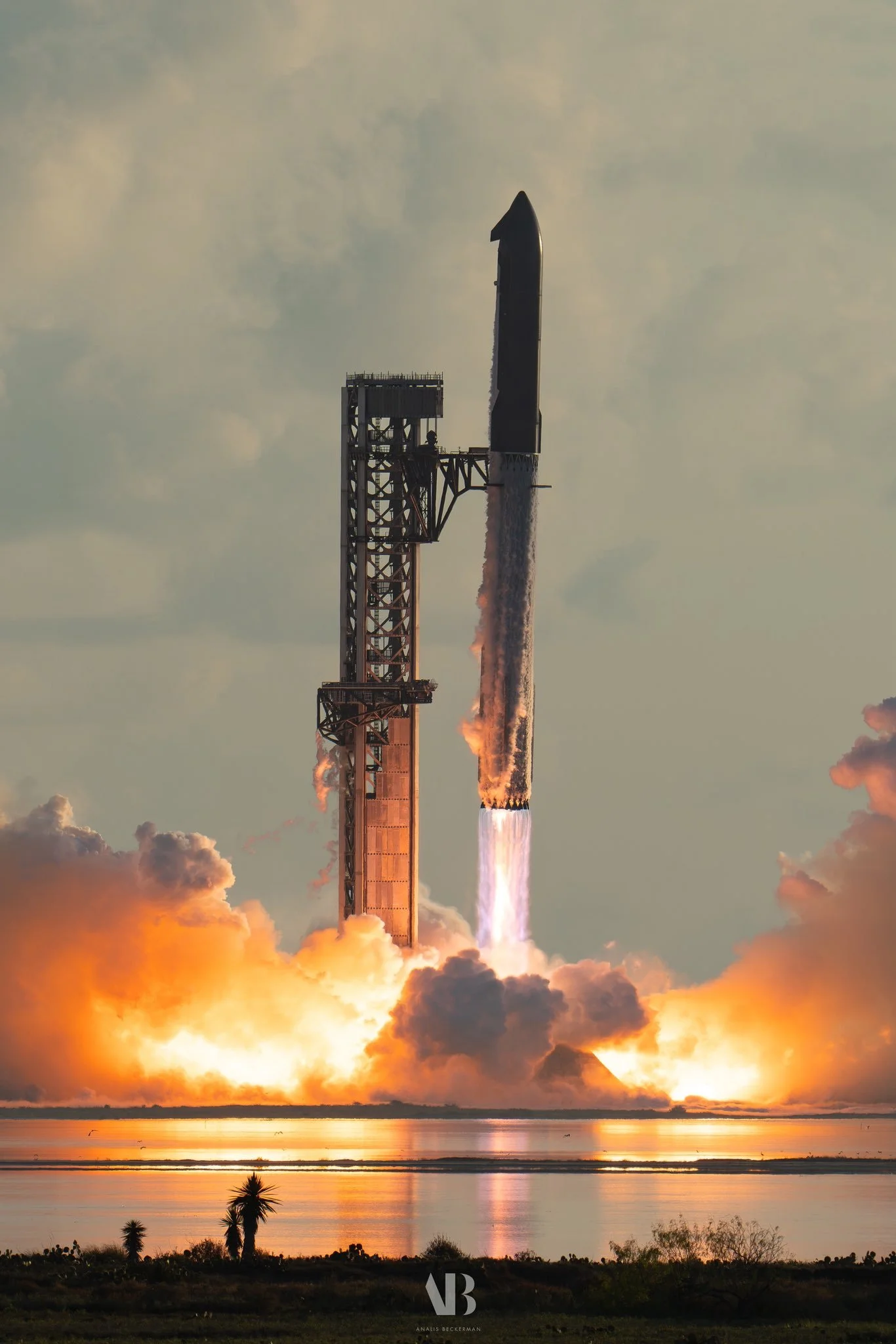
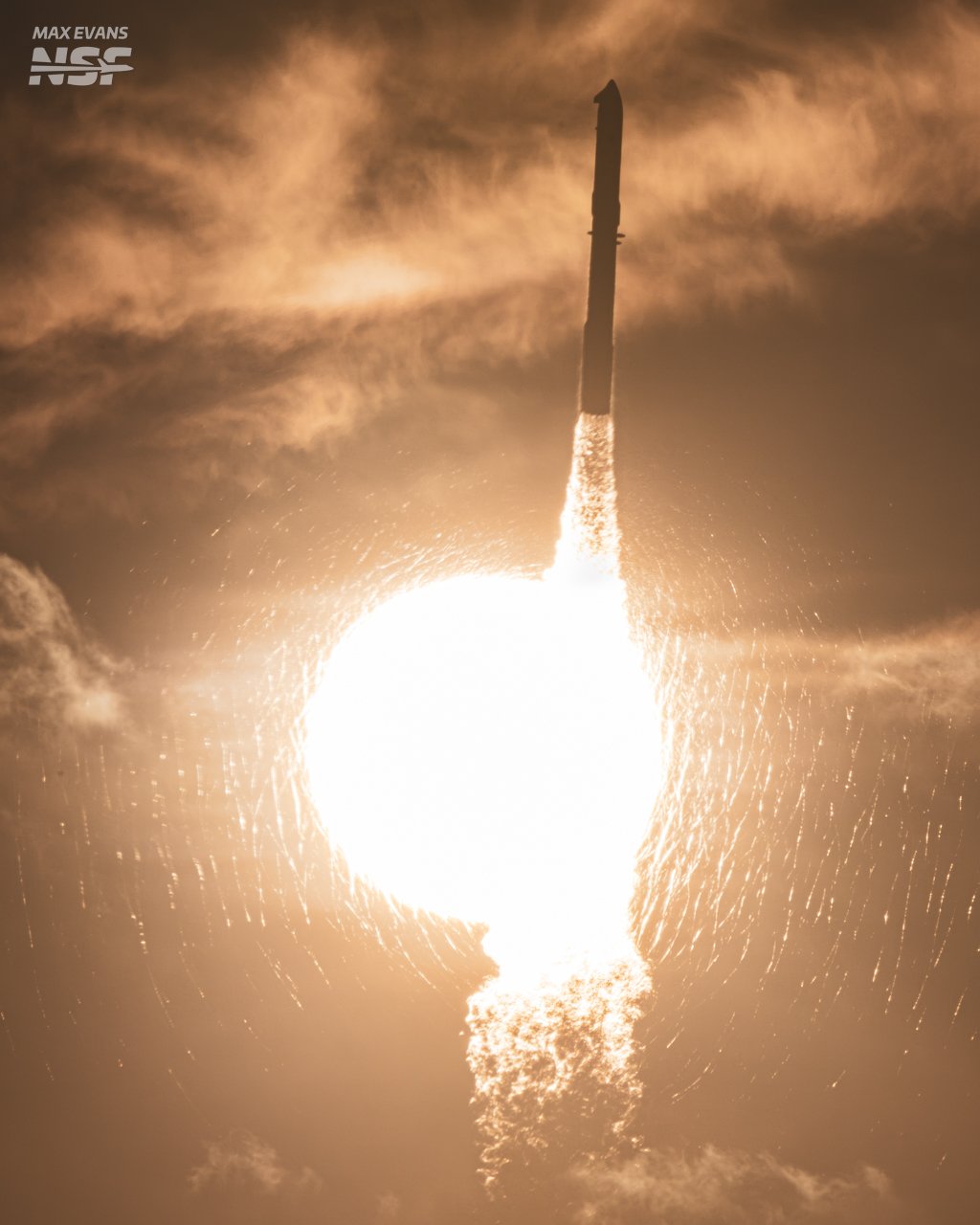
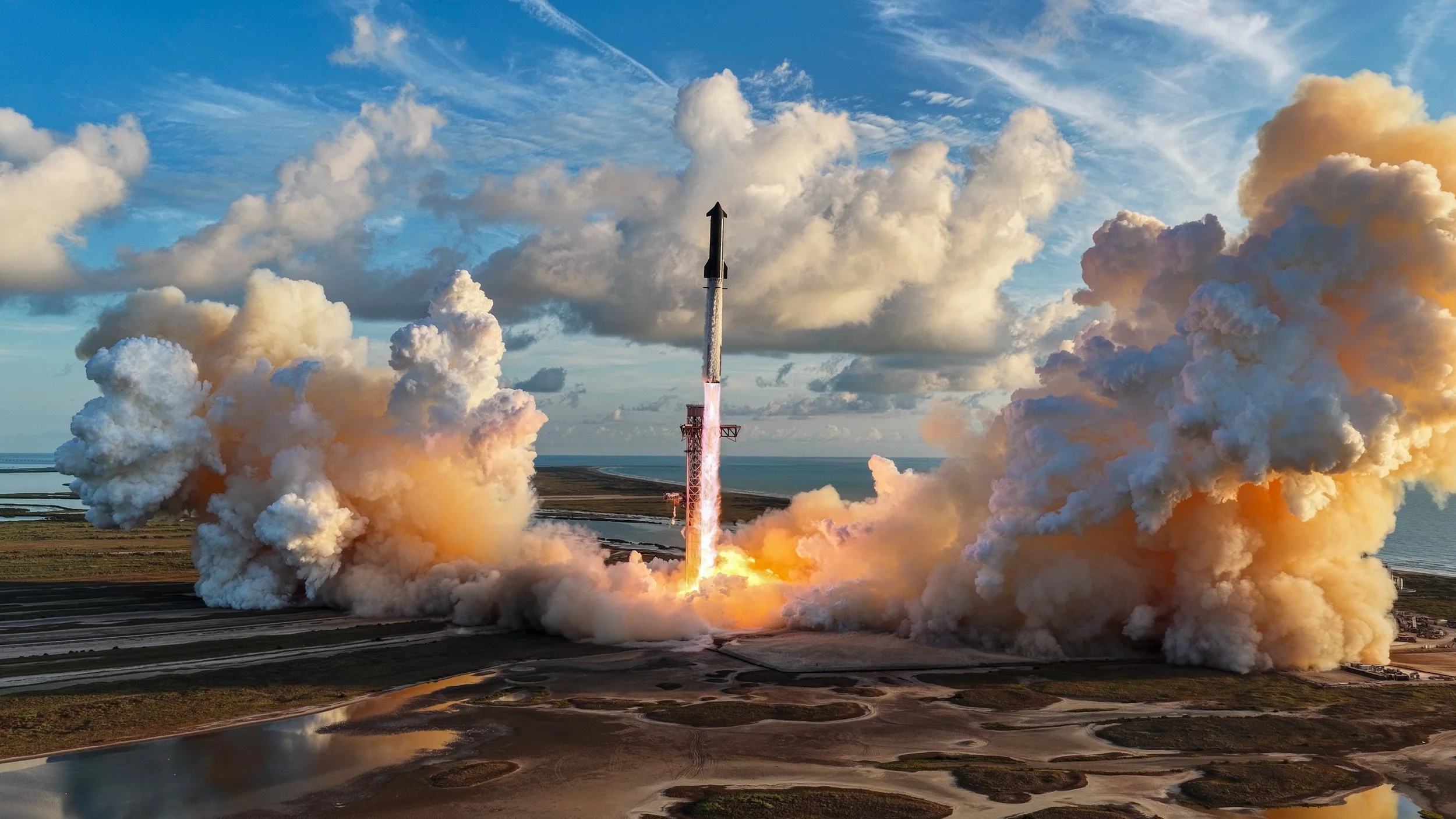
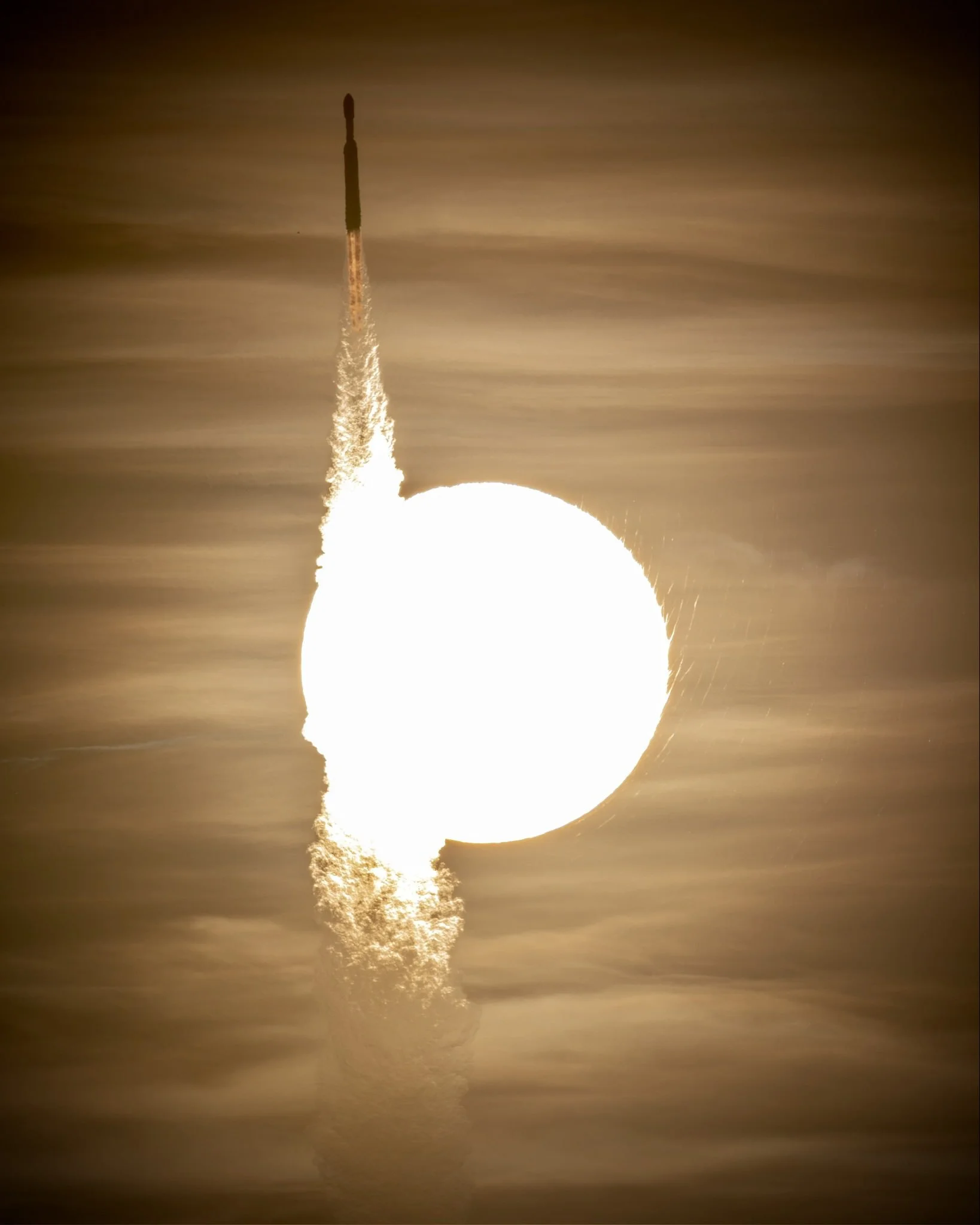
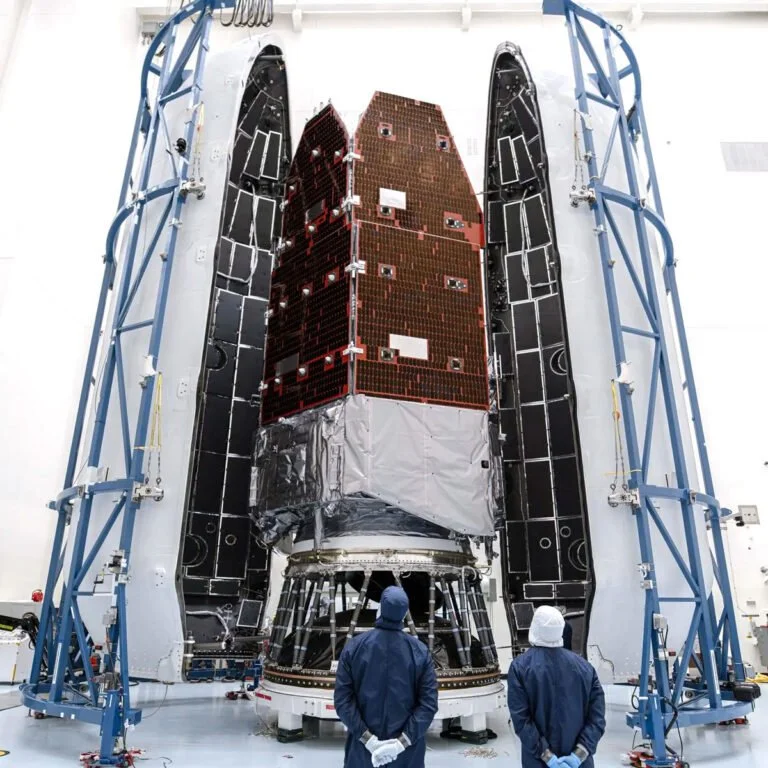
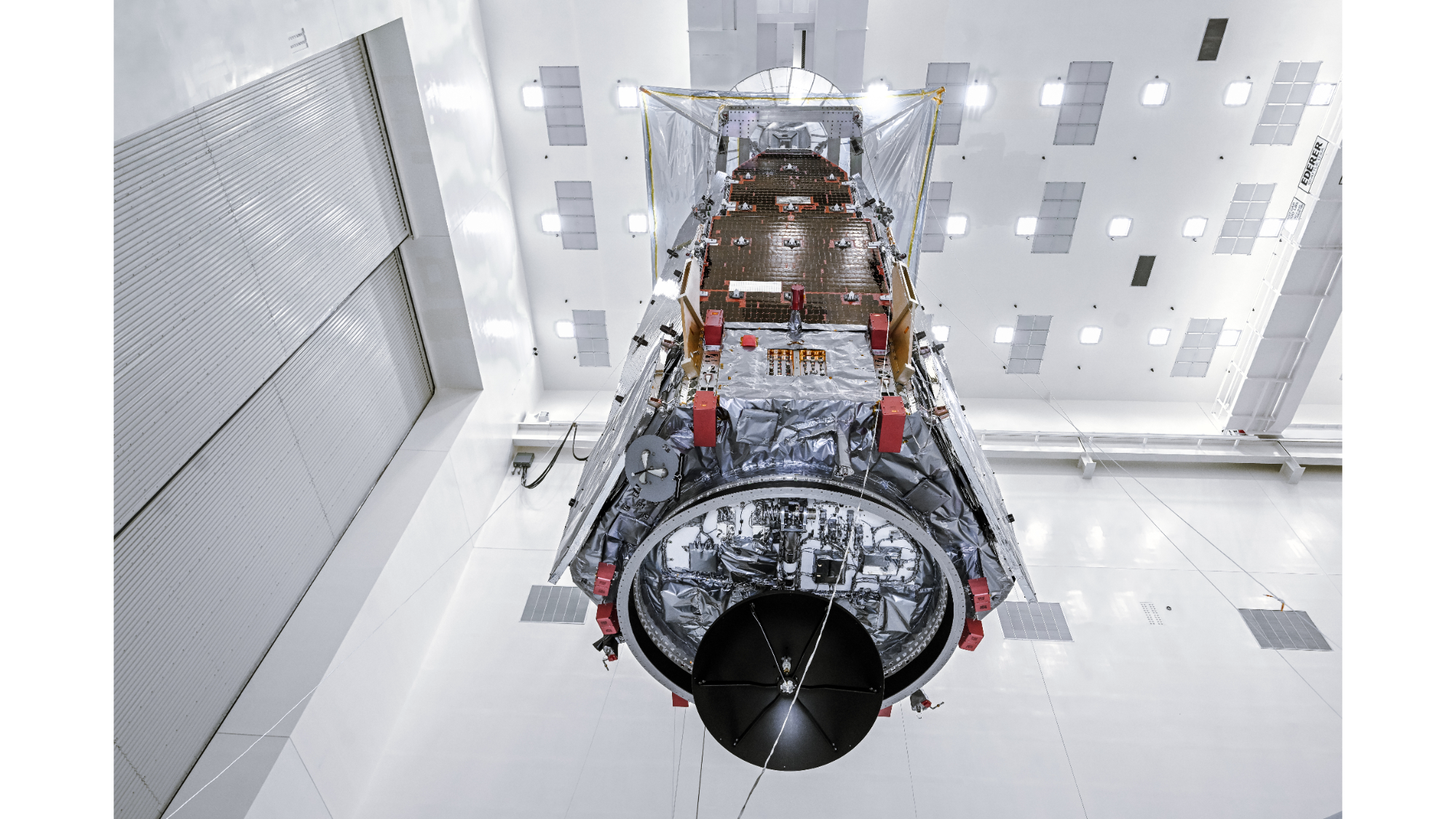
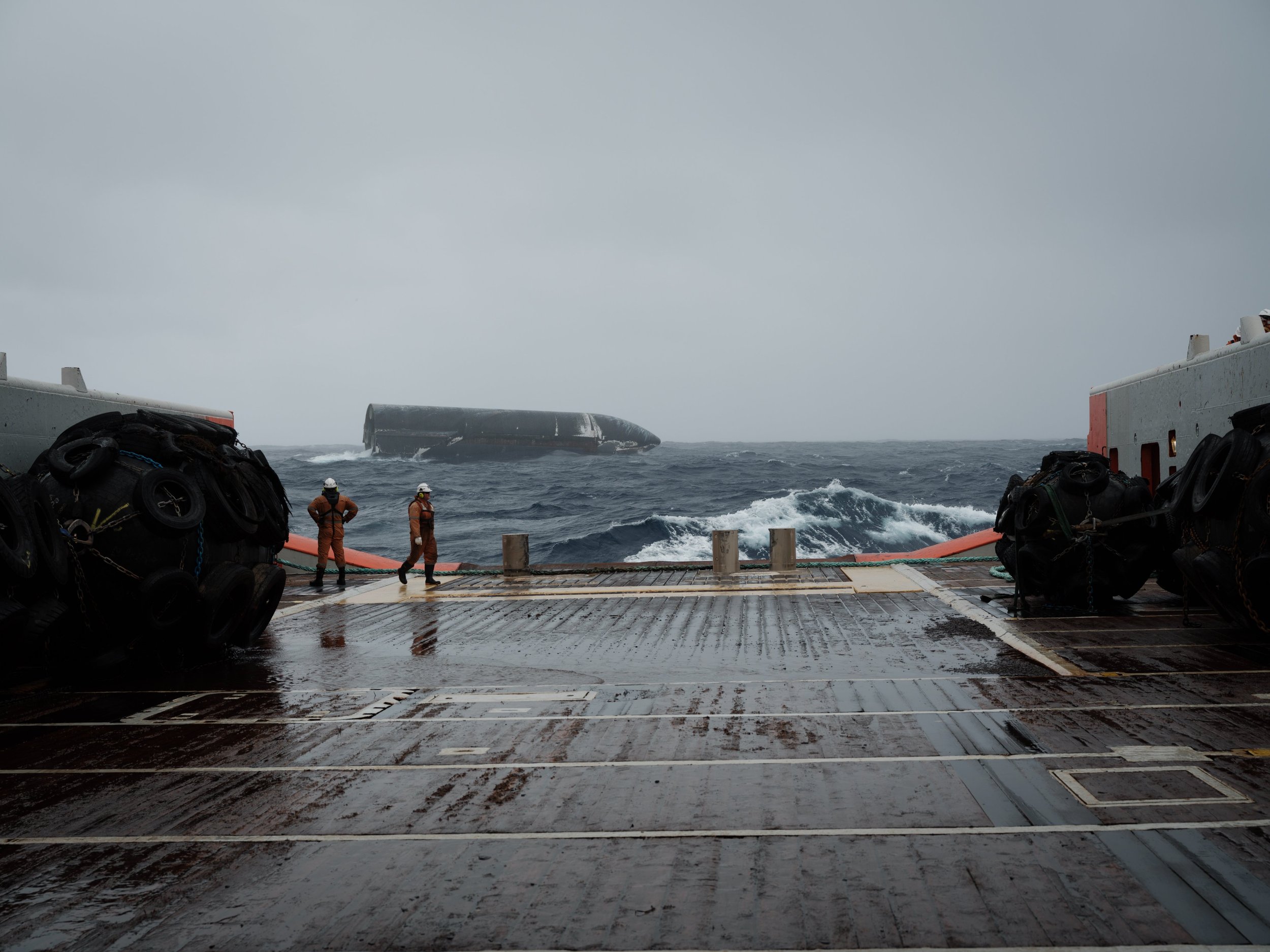
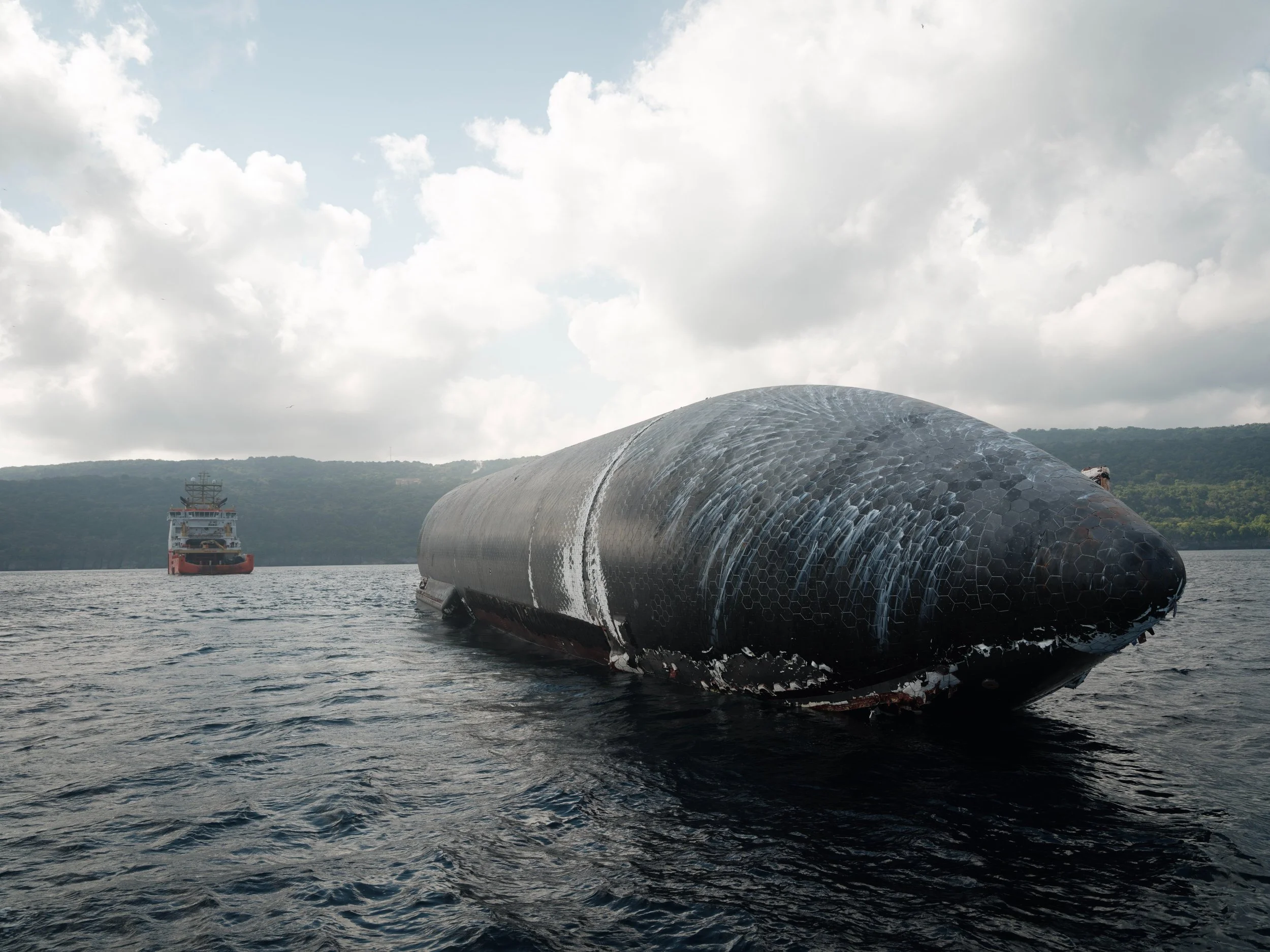
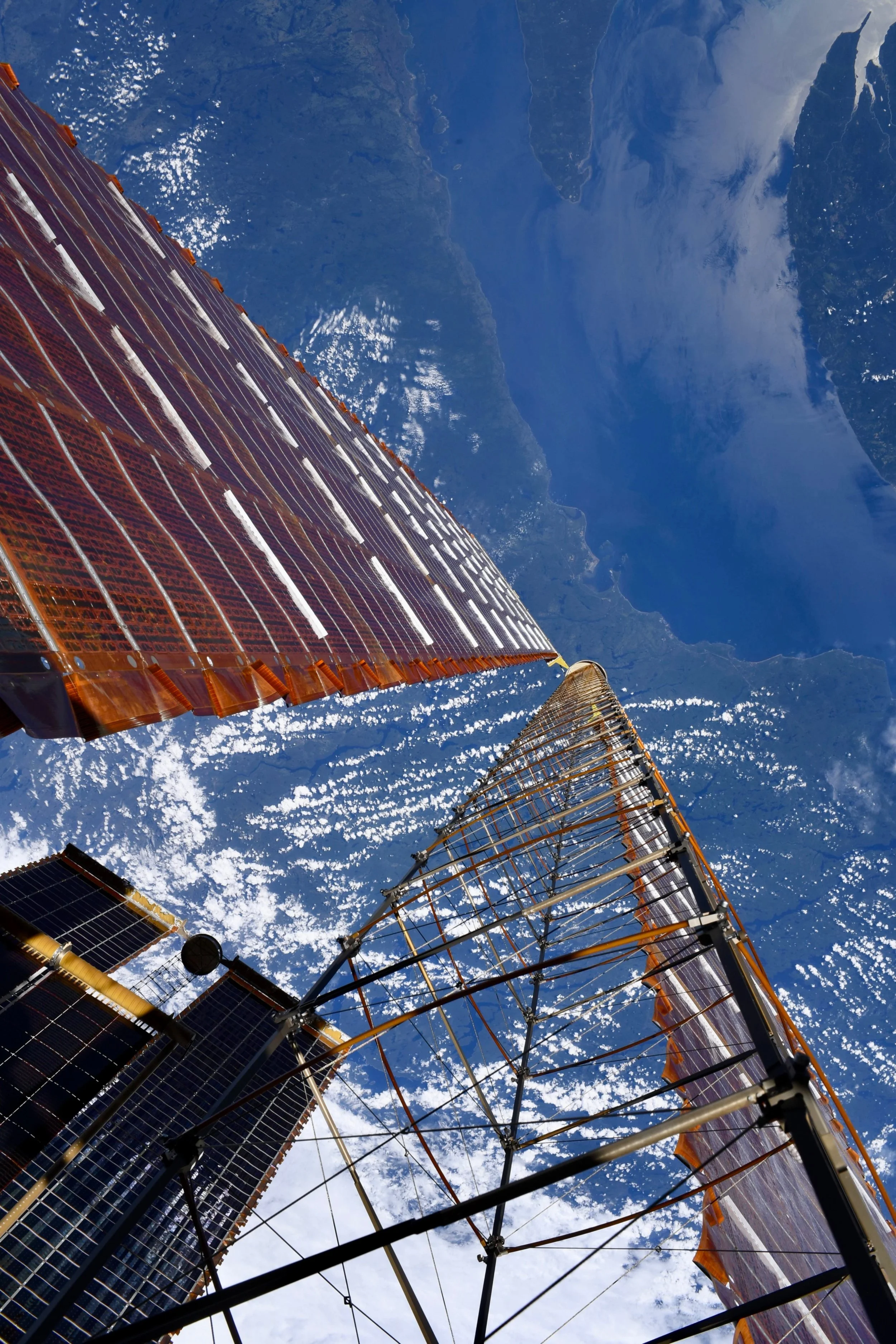
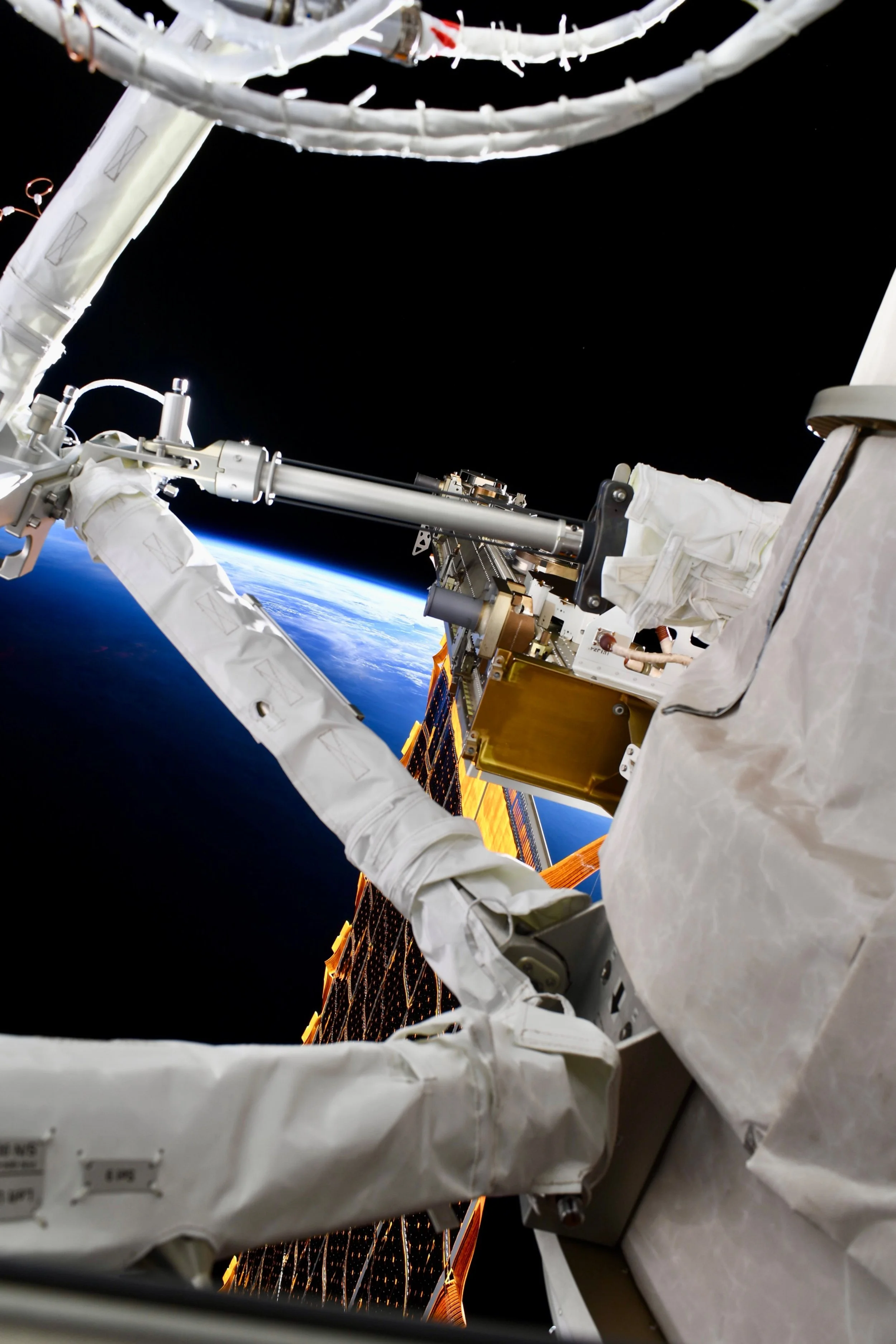
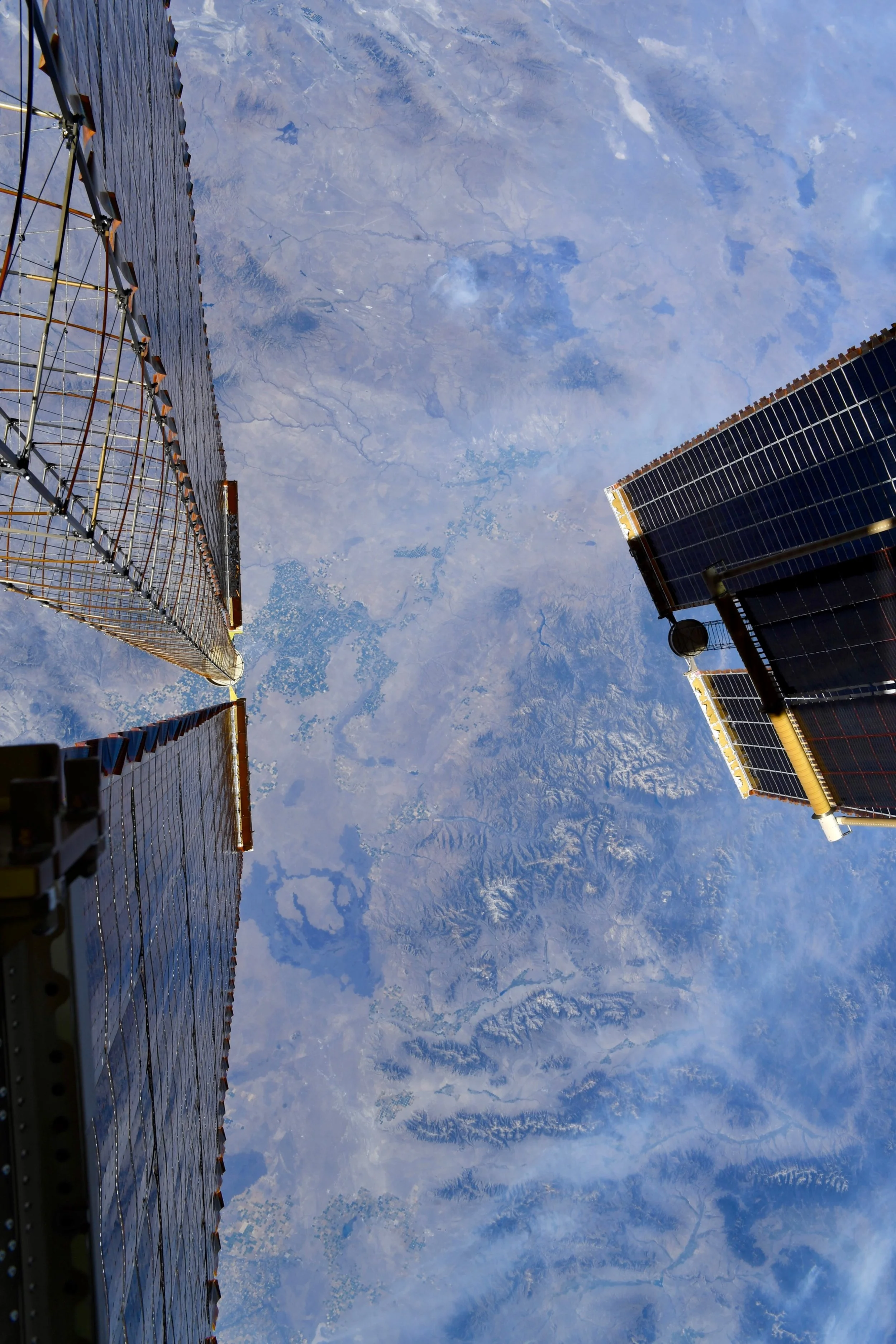
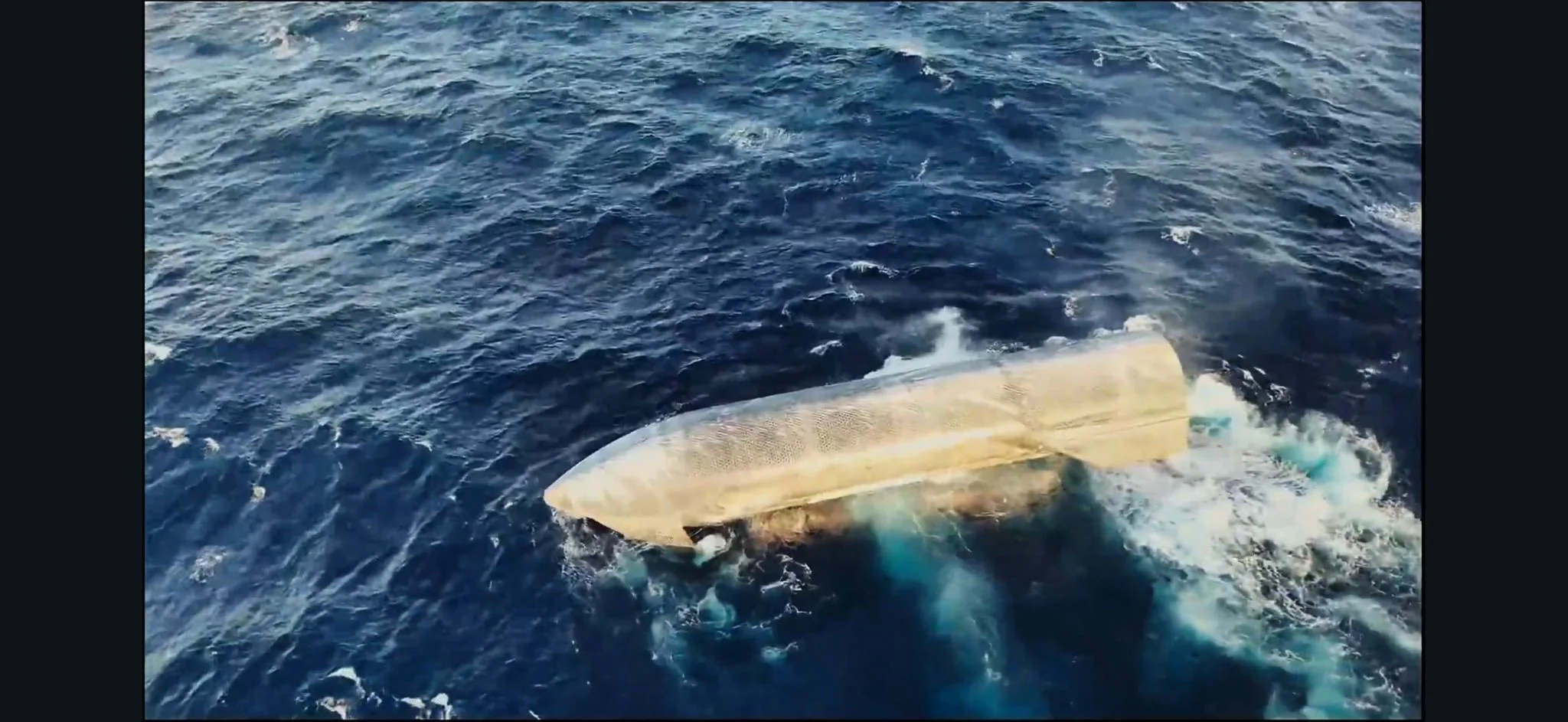
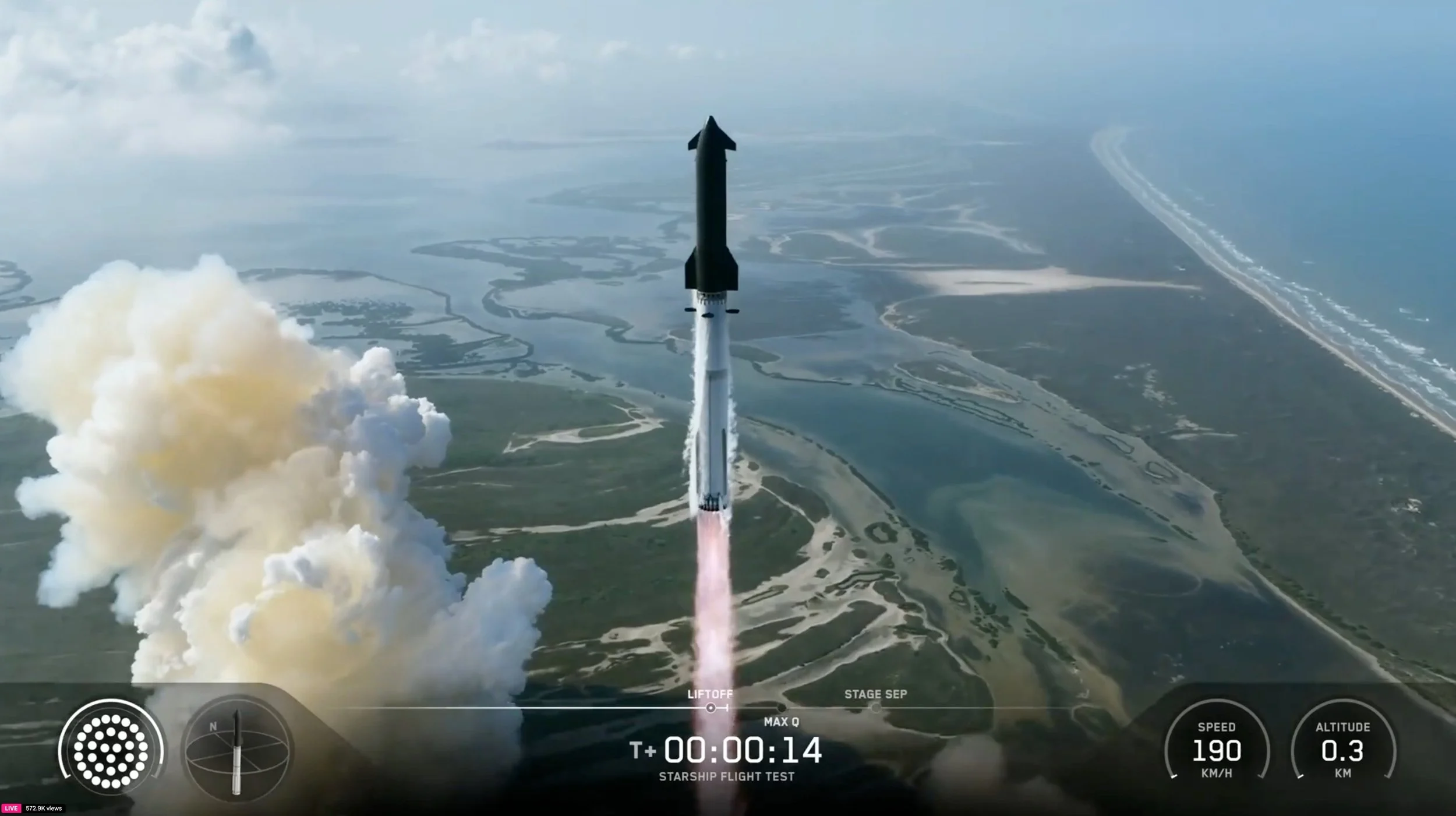
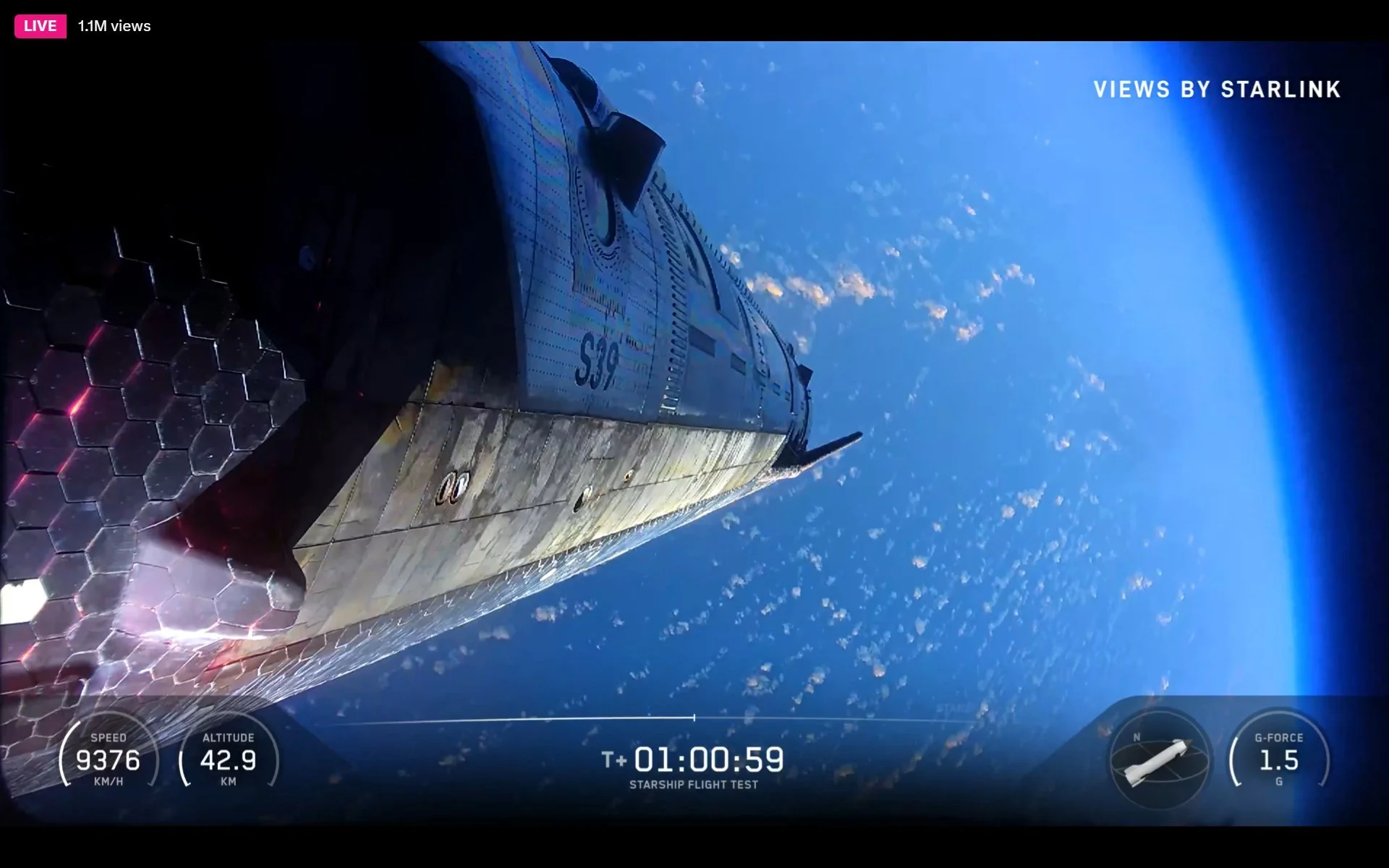
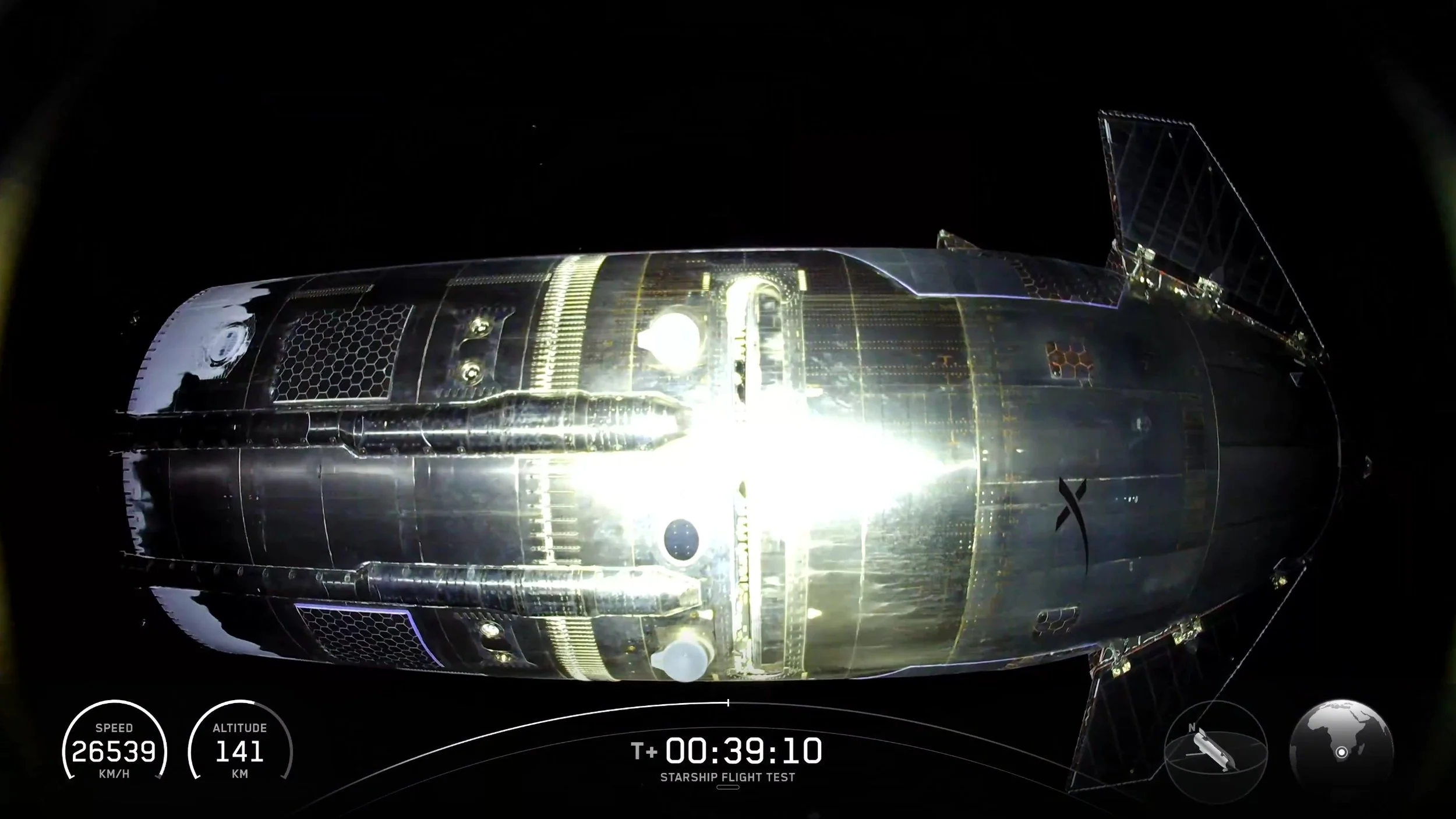
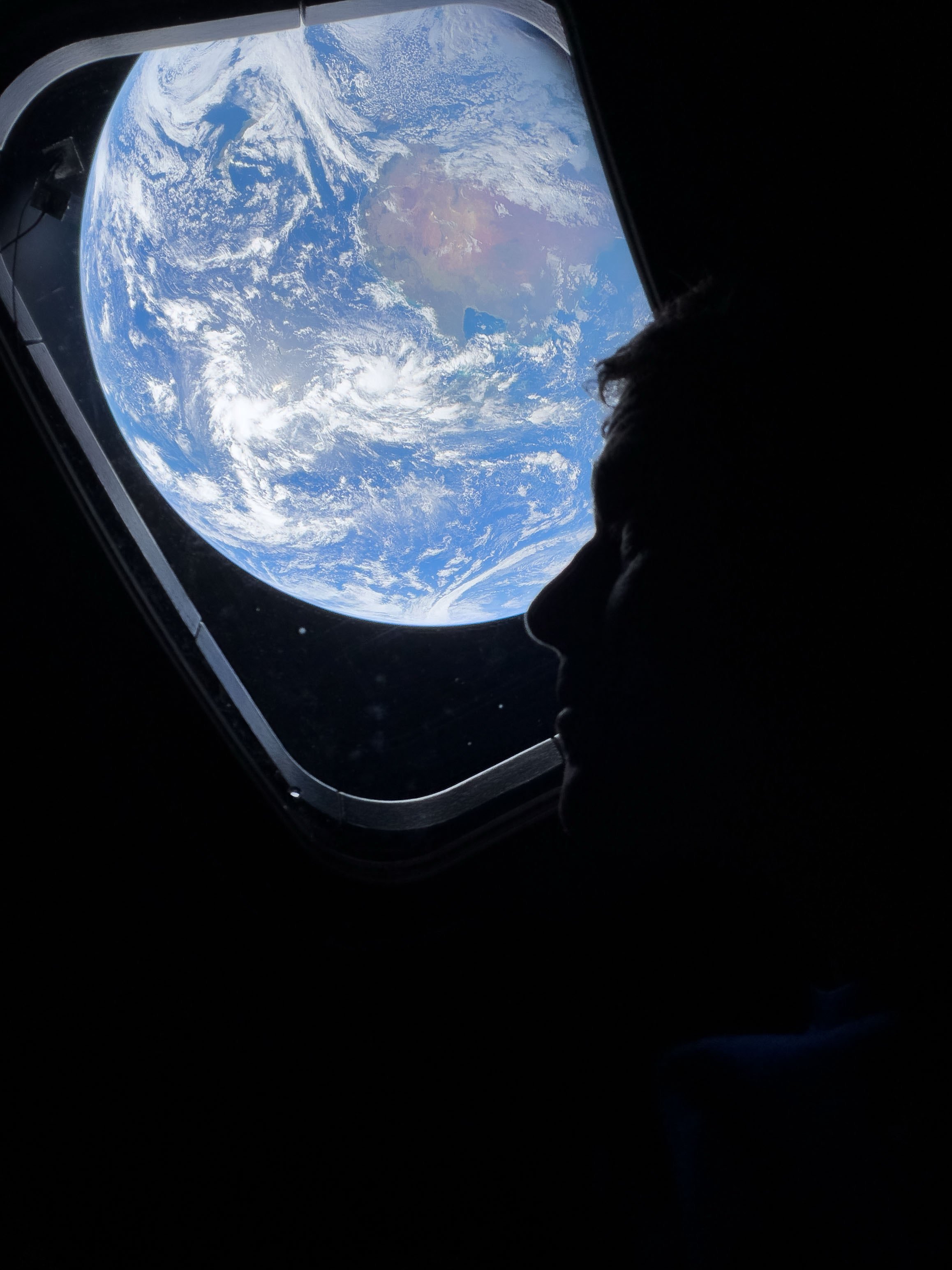
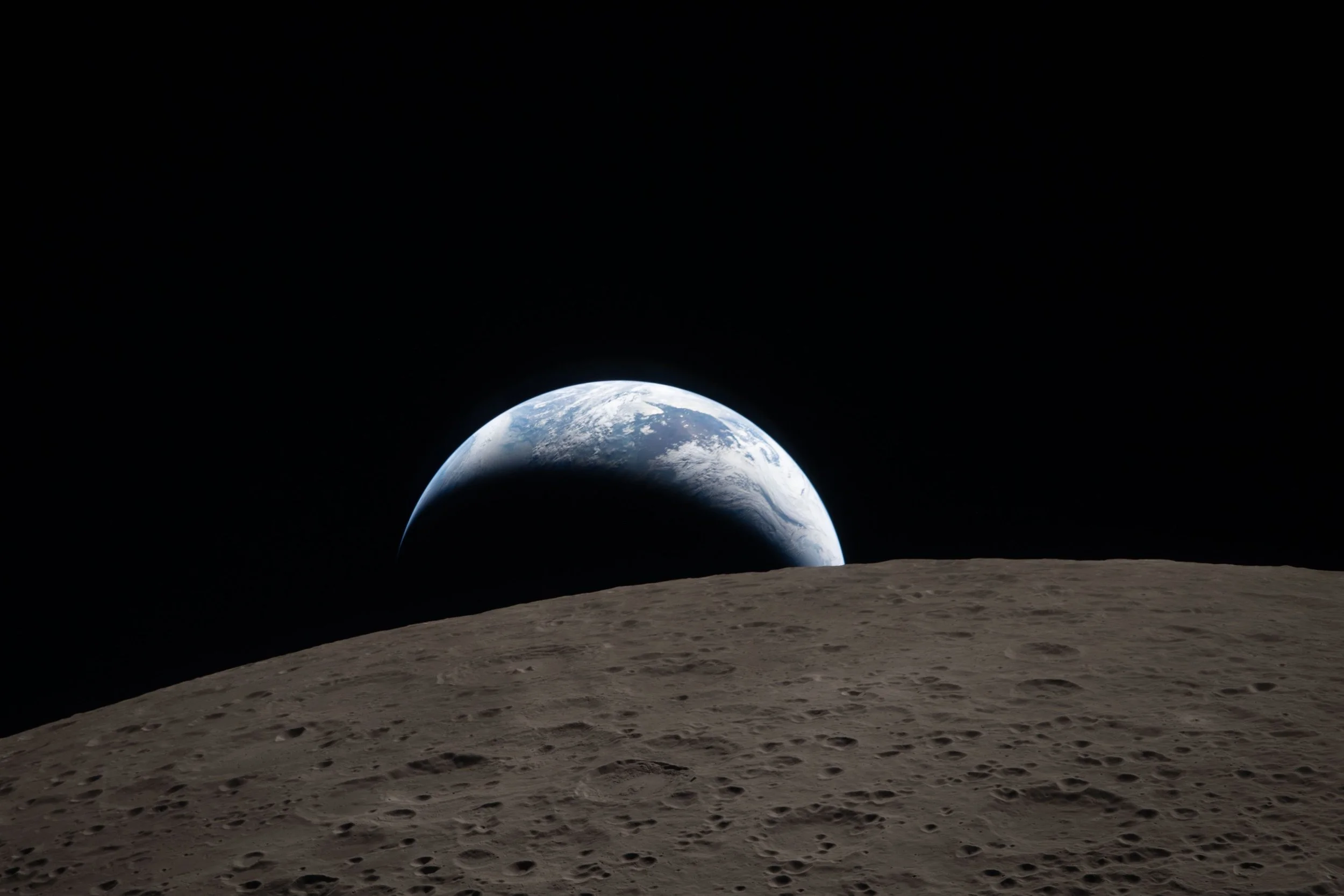
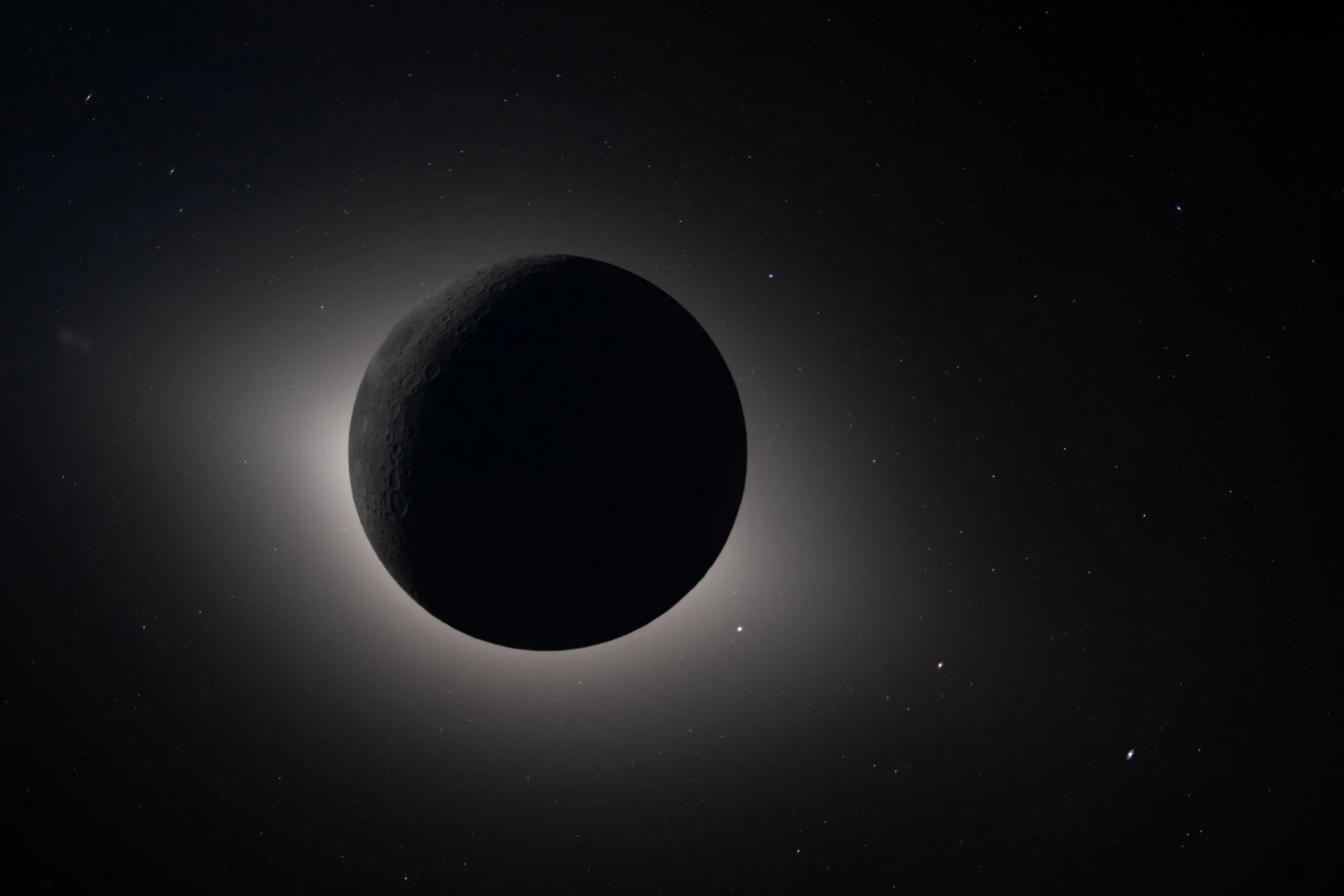
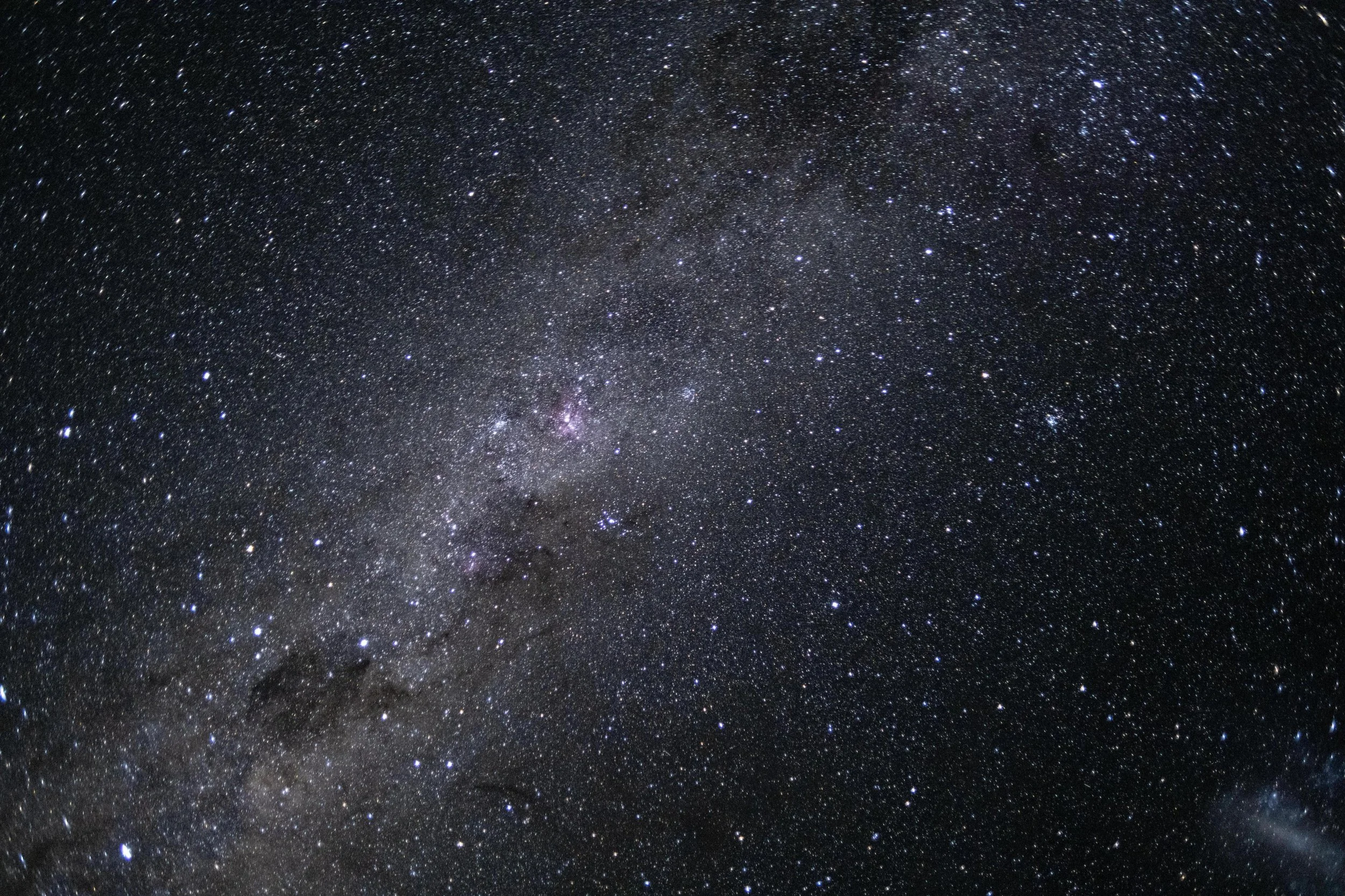
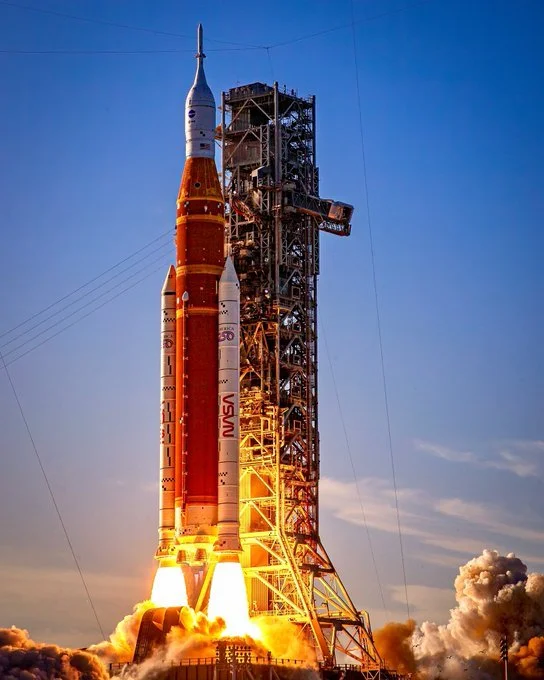
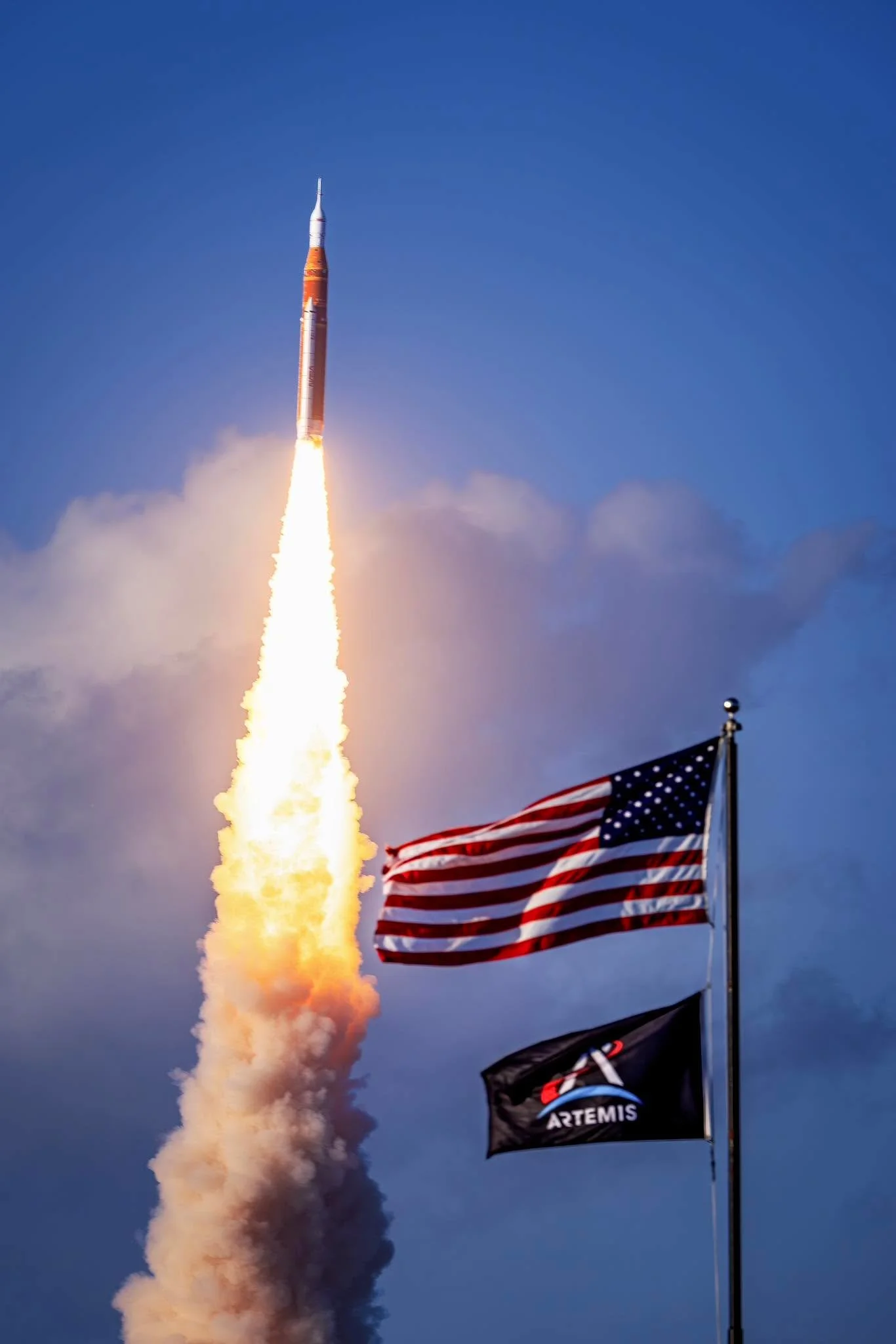
I’m sure you all know that the Artemis II lunar flyby mission was a tremendous success, and the astronauts returned home safely. They captured a ton of incredible images while they were up there. I’ve included a few of the best below, but you can see more at https://images.nasa.gov or just scroll my X feed to check out my many, many posts and shares about the mission: https://x.com/GSJennsen.
To The Moon!
Or around it, anyway…. The Artemis II astronauts are officially on the their way to orbit the moon (and briefly journey farther than any human has ever traveled). First, though, they'll orbit Earth and test out a bunch of systems.
I won't lie; the SLS rocket had me nervous. I am a child of the shuttle disasters, and I was biting my nails during the ascent. But SLS got it done.
Now, onward into our future in space.
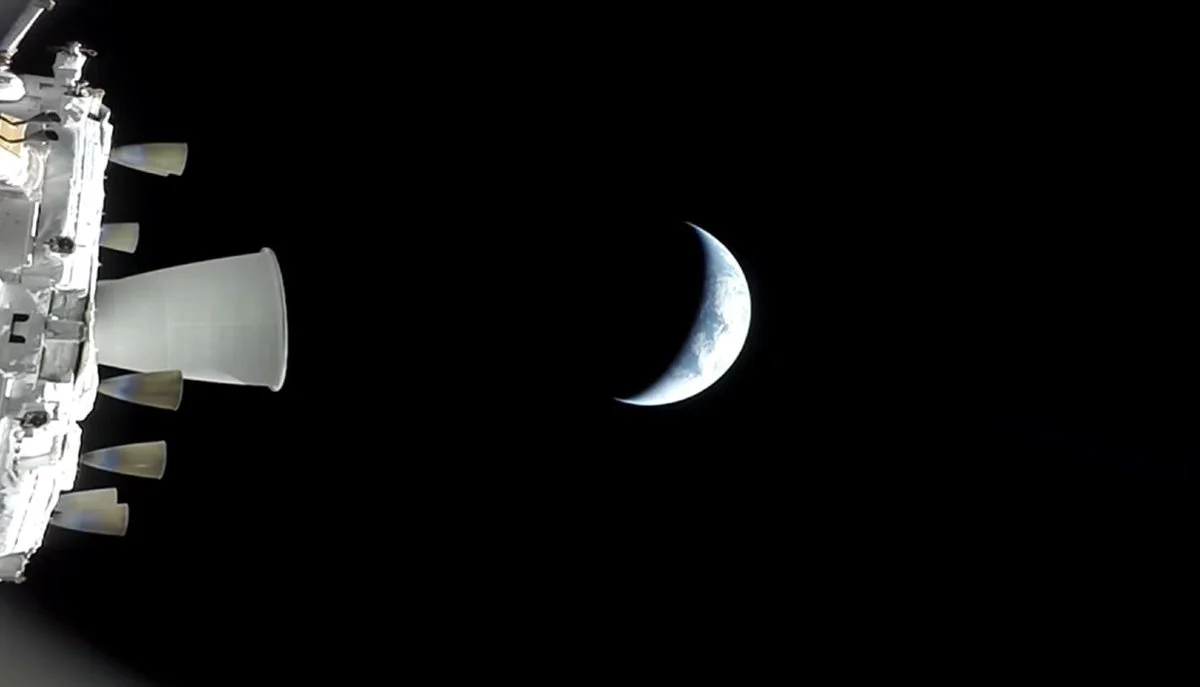
Enjoy some spectacular shots of the launch, and a bonus shot of Earth from the Orion spacecraft this morning (a view human eyes haven’t enjoyed in too many decades).
Image credit:
Pictures 1 and 2: Eric Kuna https://x.com/erikkuna)
Picture 3: Andrew McCarthy (https://x.com/AJamesMcCarthy)
Picture 4: NASA
Galactic Core
A stunning new image of the Milky Way galactic core just dropped!
This view was captured by the Atacama Large Millimeter/submillimeter Array (ALMA), a powerful network of radio telescopes in Chile.
What you’re seeing is the crowded, chaotic heart of our galaxy, a region packed with cold gas and dust, the raw material that forms new stars. The image maps an area called the Central Molecular Zone, stretching more than 650 light-years across.
Image credit:: ALMA(ESO/NAOJ/NRAO)/S. Longmore et al. Background: ESO/D. Minniti et al.
More info: https://www.eso.org/public/news/eso2603/
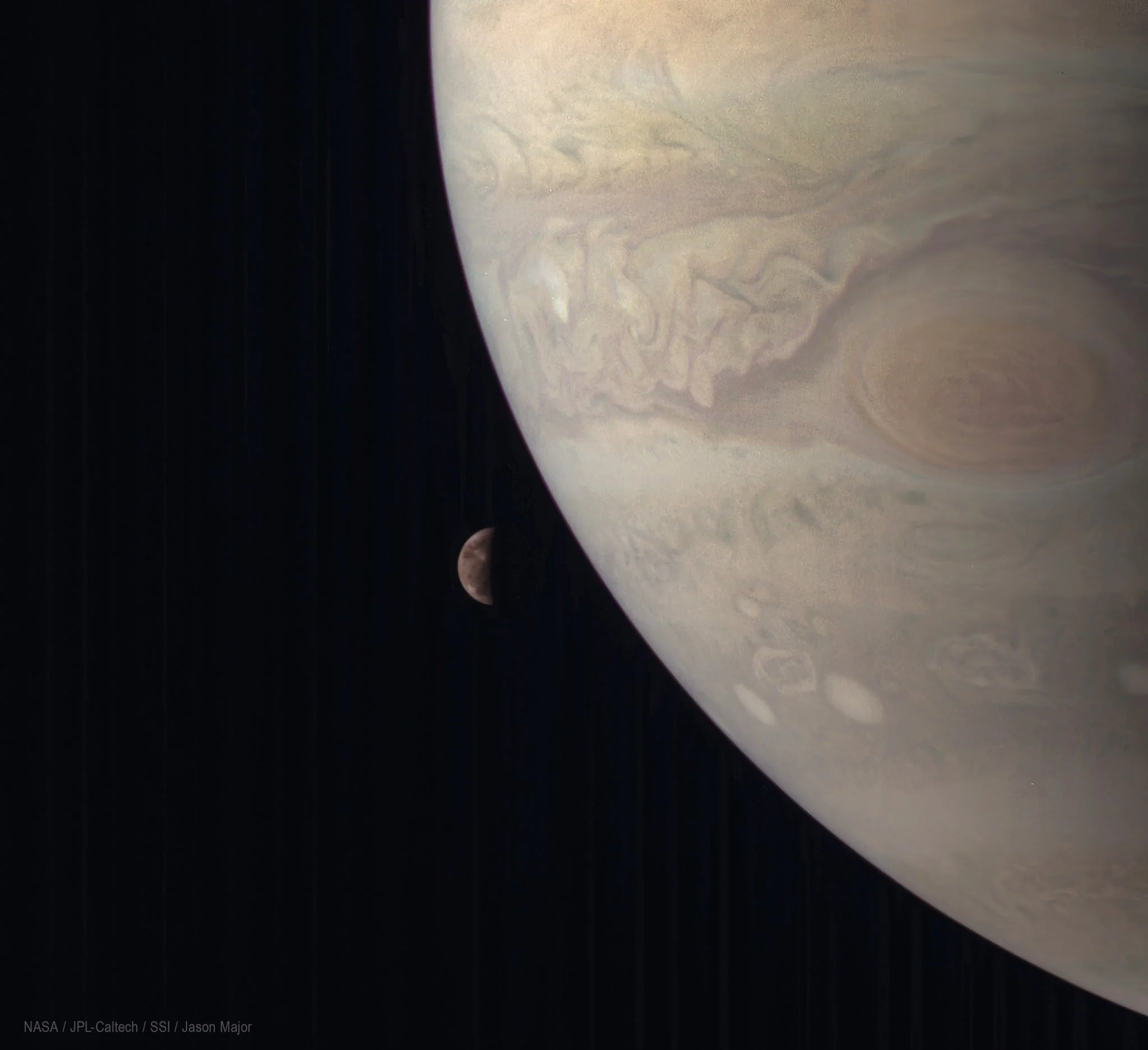
Jupiter and Ganymede
The Cassini spacecraft imaged Jupier and Ganymede together on January 6, 2001, from about 11.8 million km beyond Jupiter. What a lovely, haunting image!
Cassini was such a gift. It revealed our solar system to be as beautiful as we'd long dreamed it must be.
Via Jason Major.
The Genesis Mission
(No, not the Star Trek one, though that was the first place my brain went when I saw the announcement….)
How groundbreaking is the Genesis Mission going to be?
"Priority areas of focus include the greatest scientific challenges of our time that can dramatically improve our Nation’s national, economic, and health security, including biotechnology, critical materials, nuclear fission and fusion energy, space exploration, quantum information science, and semiconductors and microelectronics."
On the one hand, it's being spearheaded by the federal government, so it might be bloated, bureaucratic, and spend billions of dollars while never actually accomplishing anything.
On the other hand, the major AI players are all in. And the govt is handing over the entire federal database of historical science data to fuel it.
You probably know that I generally favor private enterprise and competition as the best path forward for the most progress for everyone. But "the Manhattan Project" is so well-known for a reason; sometimes, every now and then, a goal is so big that only the full force and weight of the U.S. government can hope to accomplish it.
Genesis is promising a revolution in biotech, space exploration, quantum computing and energy - everything us futurists dream of. It makes me extremely twitchy that "the catch" might be government control of its fruits, but I also can't help but be excited by the possibilities. What about you? How do you all feel about it?
As an aside, I saw a theory offered on X: that the government really does have crashed UFOs and a host of alien technology, and with Genesis they're planning to credit AI with coming up with all this technology they actually already have, so they can finally deploy it. In the past, I would've rolled my eyes and kept going, but all the recent, genuine reveals in the UFO space are now causing me to go, "Eh...it's not outside the realm of possiblity!"
Learn more here: https://www.whitehouse.gov/fact-sheets/2025/11/fact-sheet-president-donald-j-trump-unveils-the-genesis-missionto-accelerate-ai-for-scientific-discovery/
New Glenn & ESCAPADE
Fantastic launch (and landing) today by Blue Origin - there's another reusable rocket on the table.
Blue Origin's New Glenn rocket, in its second official launch, sent NASA's ESCAPADE mission on its way to Mars. The Escape and Plasma Acceleration and Dynamics Explorers (NASA makes such great acronyms) mission will use two small satellites (built by another private space company, Rocket Lab) to study space weather conditions at Mars.
In only its second try, Blue Origin executed a perfect landing of New Glenn's booster on their drone ship, "Never Tell Me The Odds."
As awesome as SpaceX's achievements are, we need MORE private space companies doing amazing things, so Blue Origin's success today is great news. Like SpaceX, Blue Origin will be headed to the moon as part of Artemis, and they have grand plans for orbital stations and beyond.
Learn more about the launch today here.
Image Credit: Dave Limp (link) and Blue Origin.
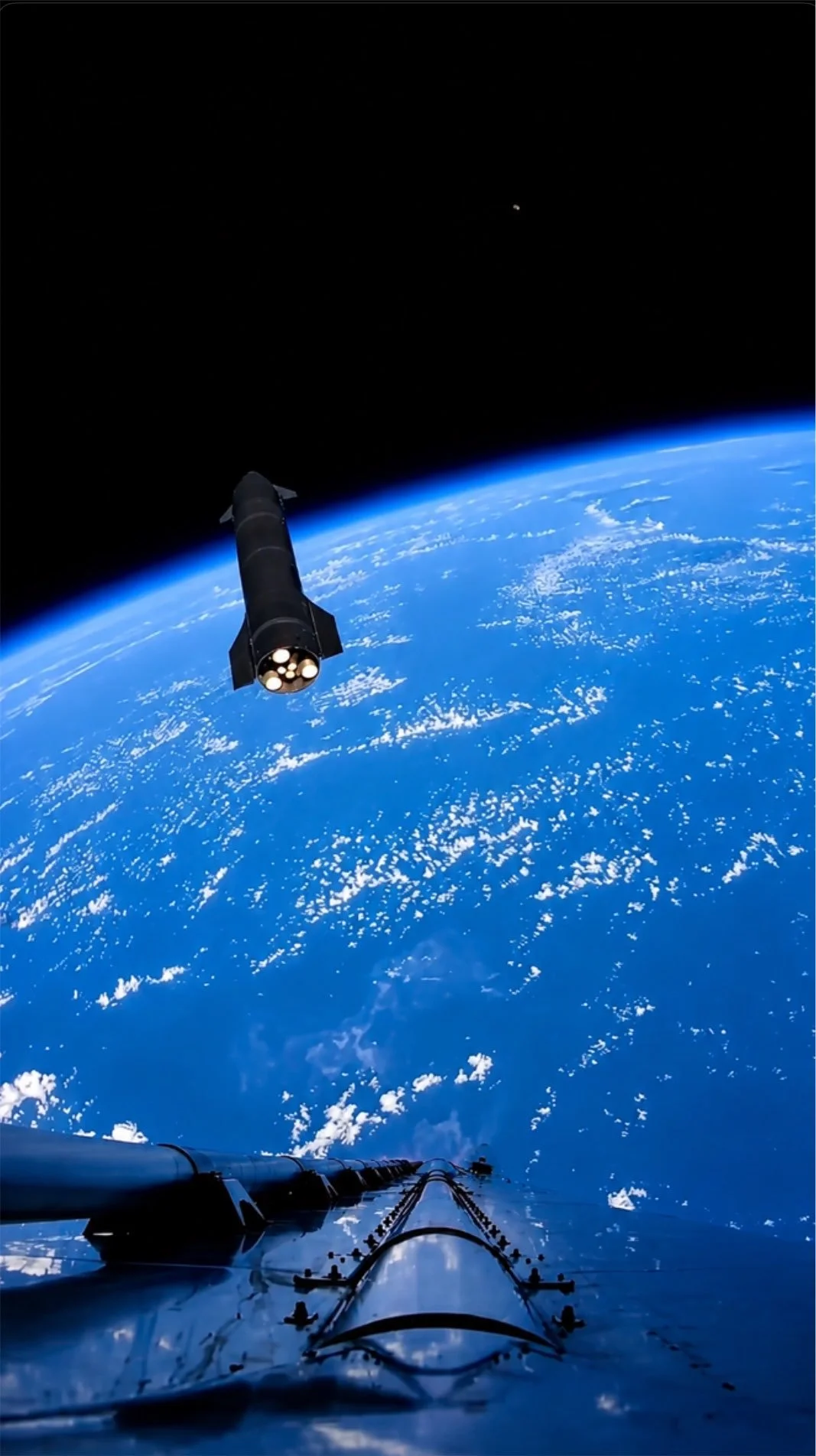
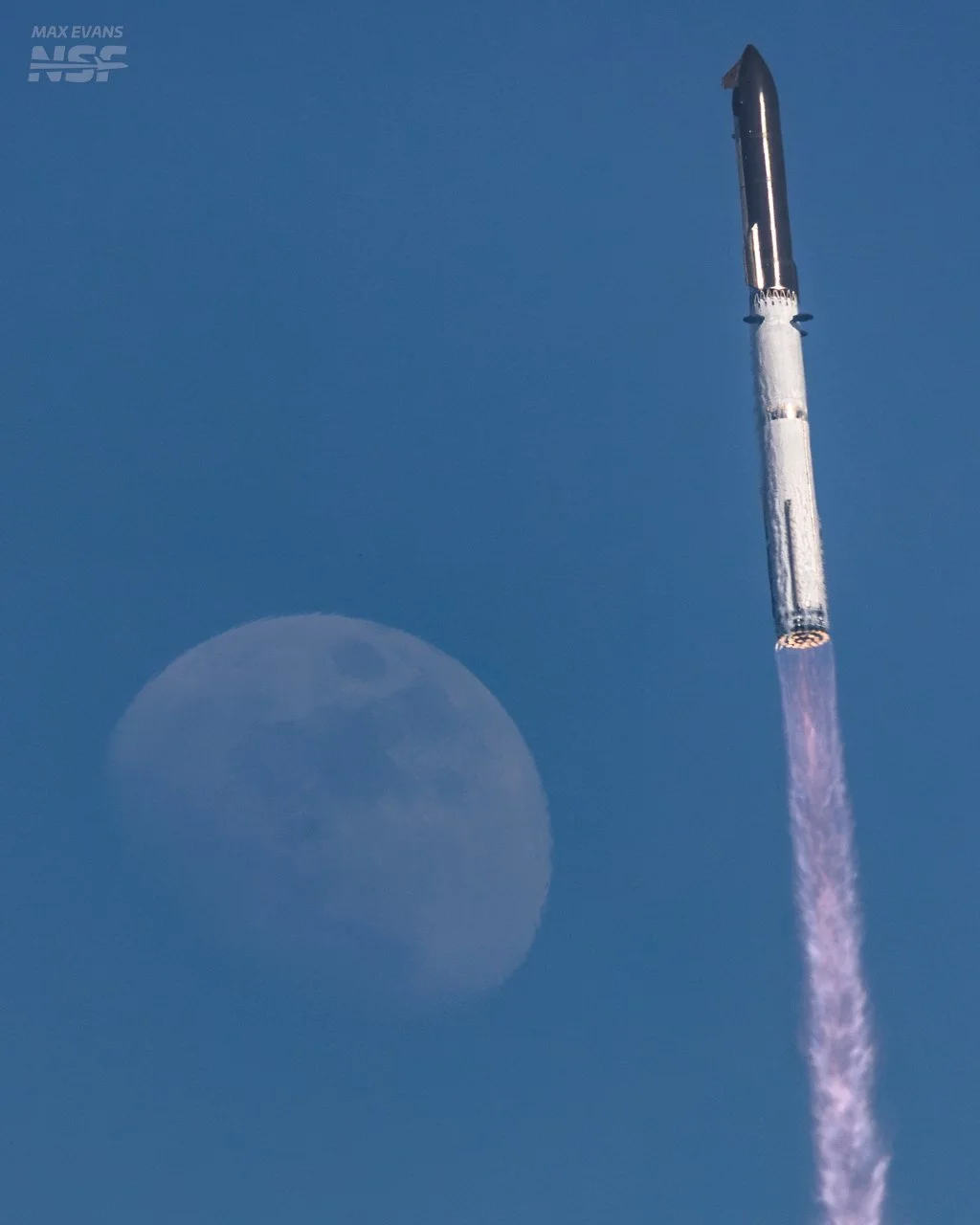
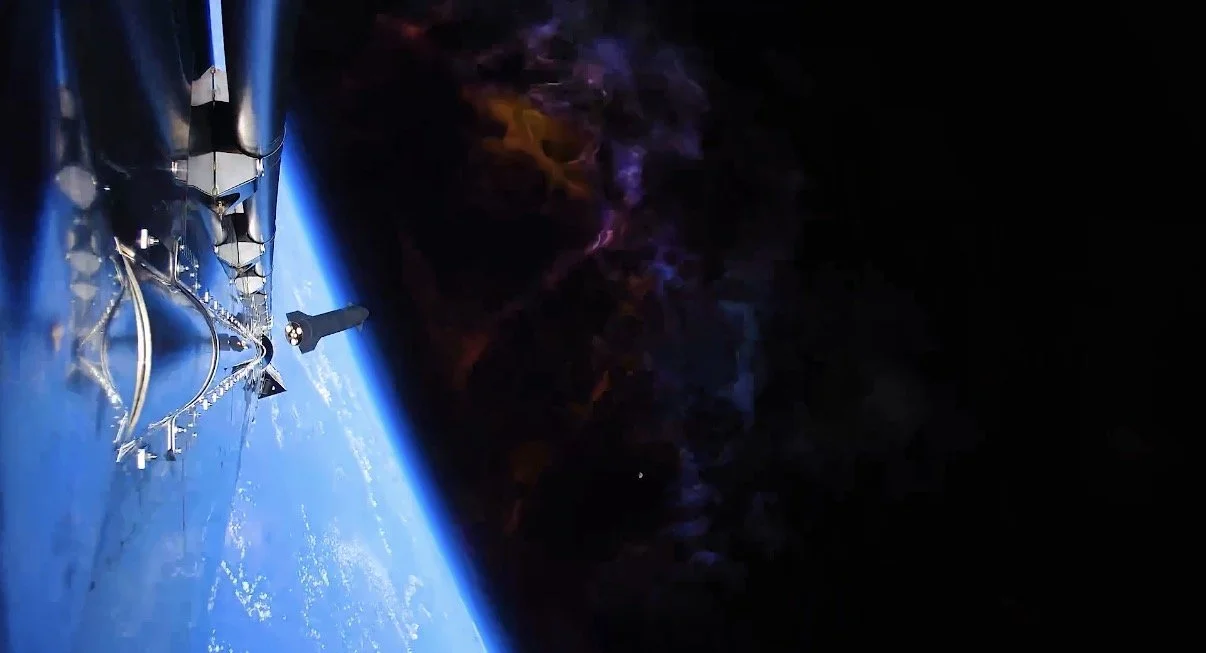
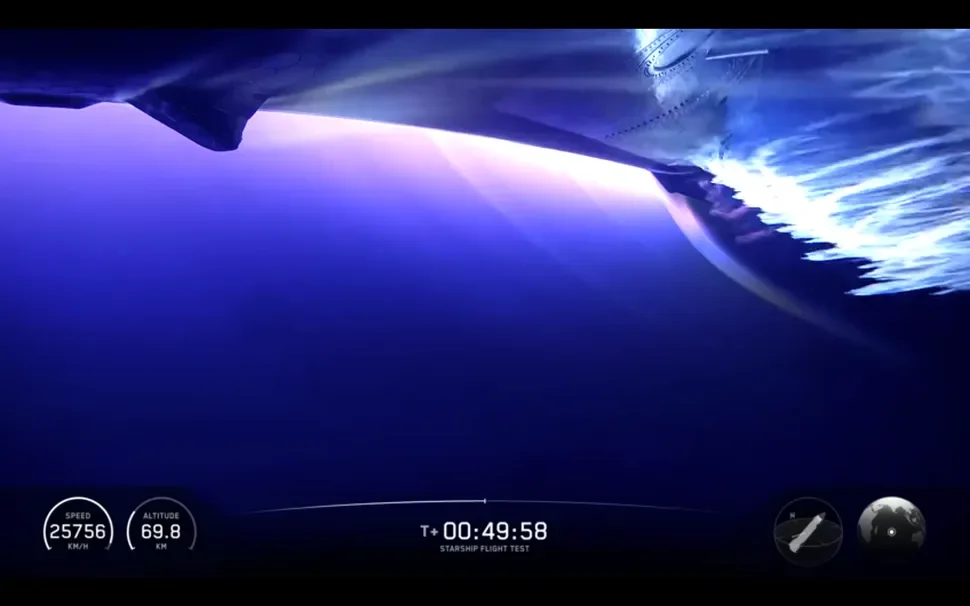
Starship Test 11
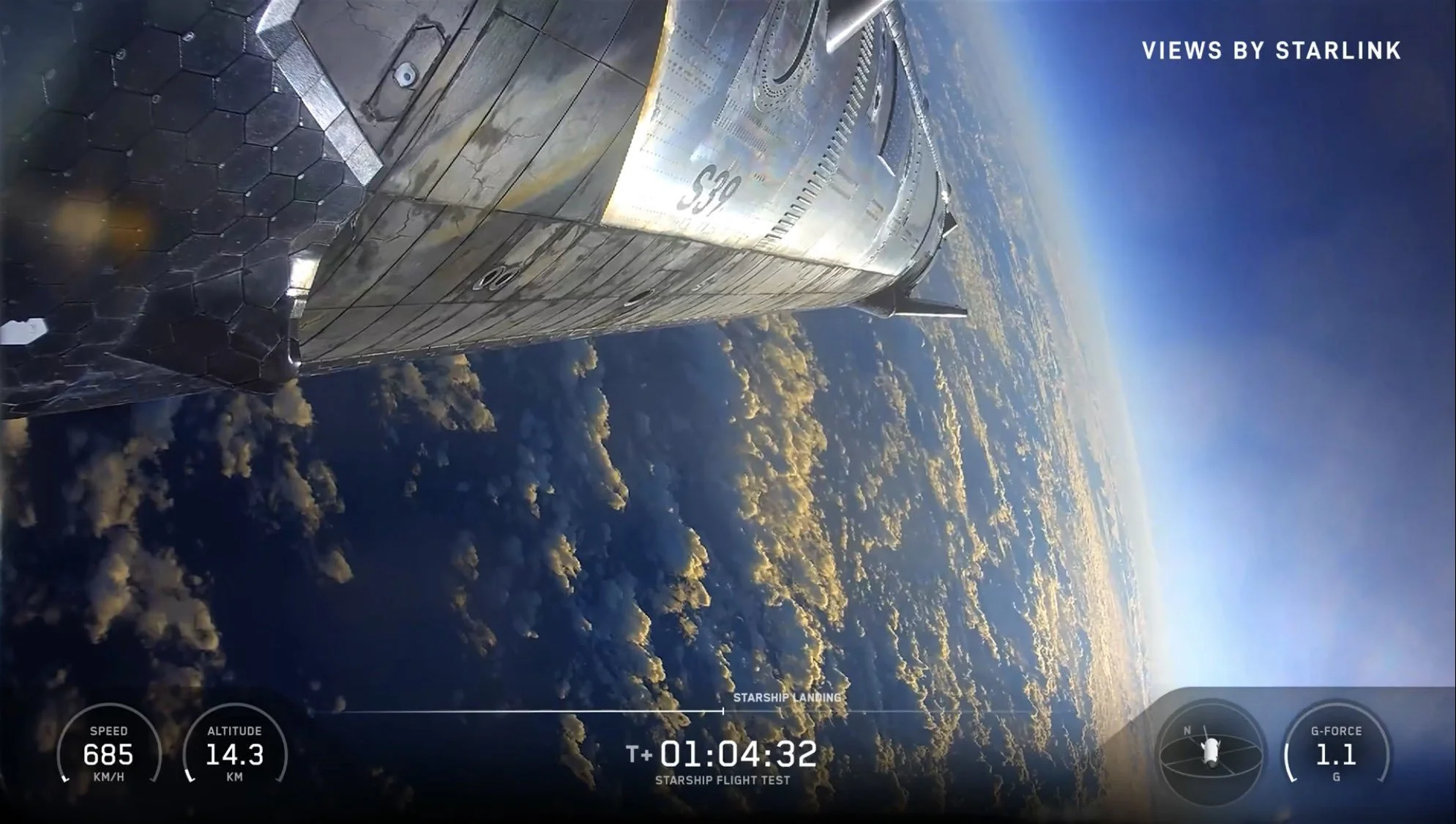
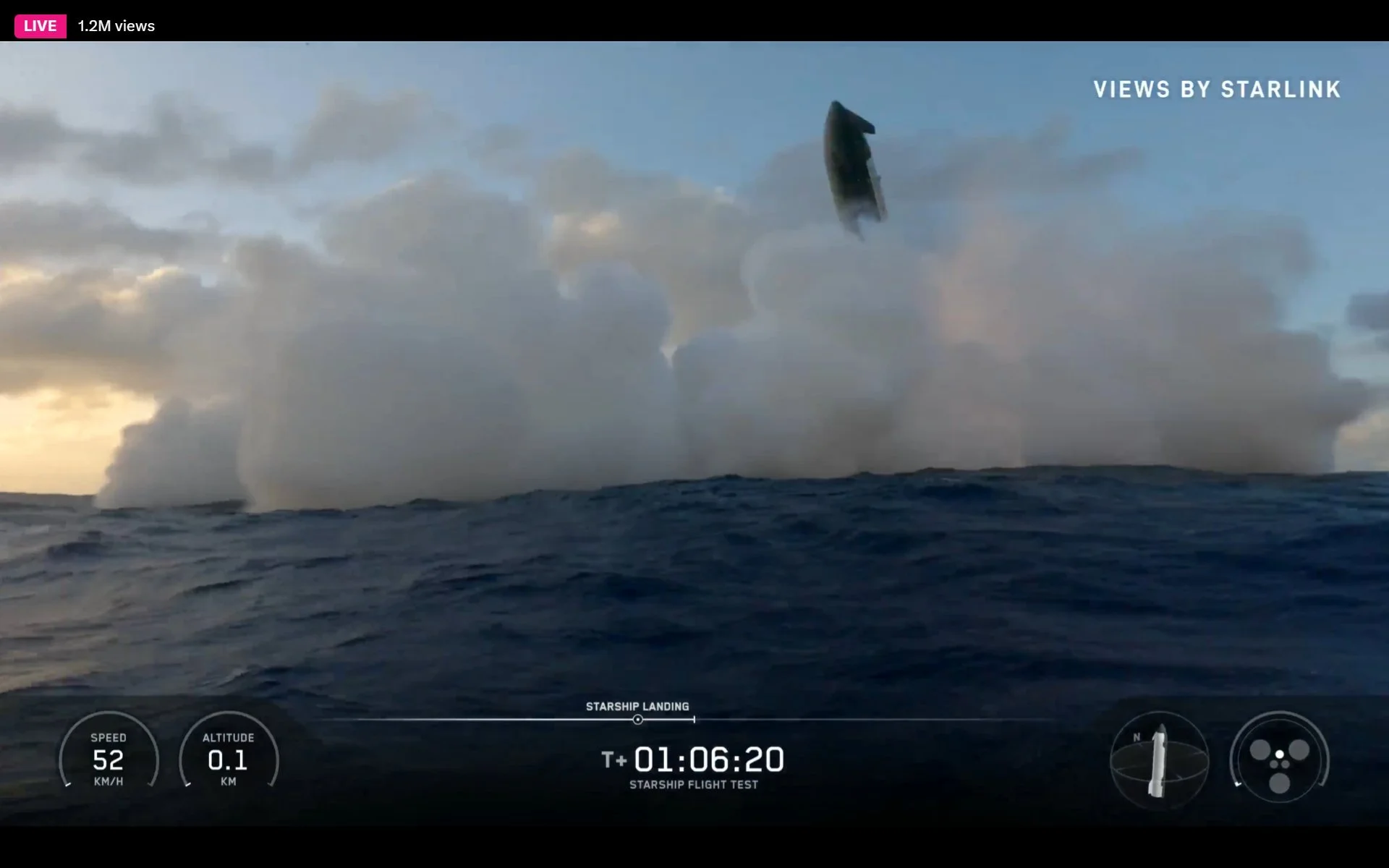
Starship Flight Test 11 on Monday was pretty much perfect. Despite continuing to push the booster and the ship to their limits in multiple ways, not only did nothing blow up,* but both performed precision, controlled soft landings. After some bumps in the road (i.e., explosions) in earlier test flights, with 2 fantastic successes in a row, SpaceX seems to have gotten its mojo back, and Starship's future looks bright indeed.
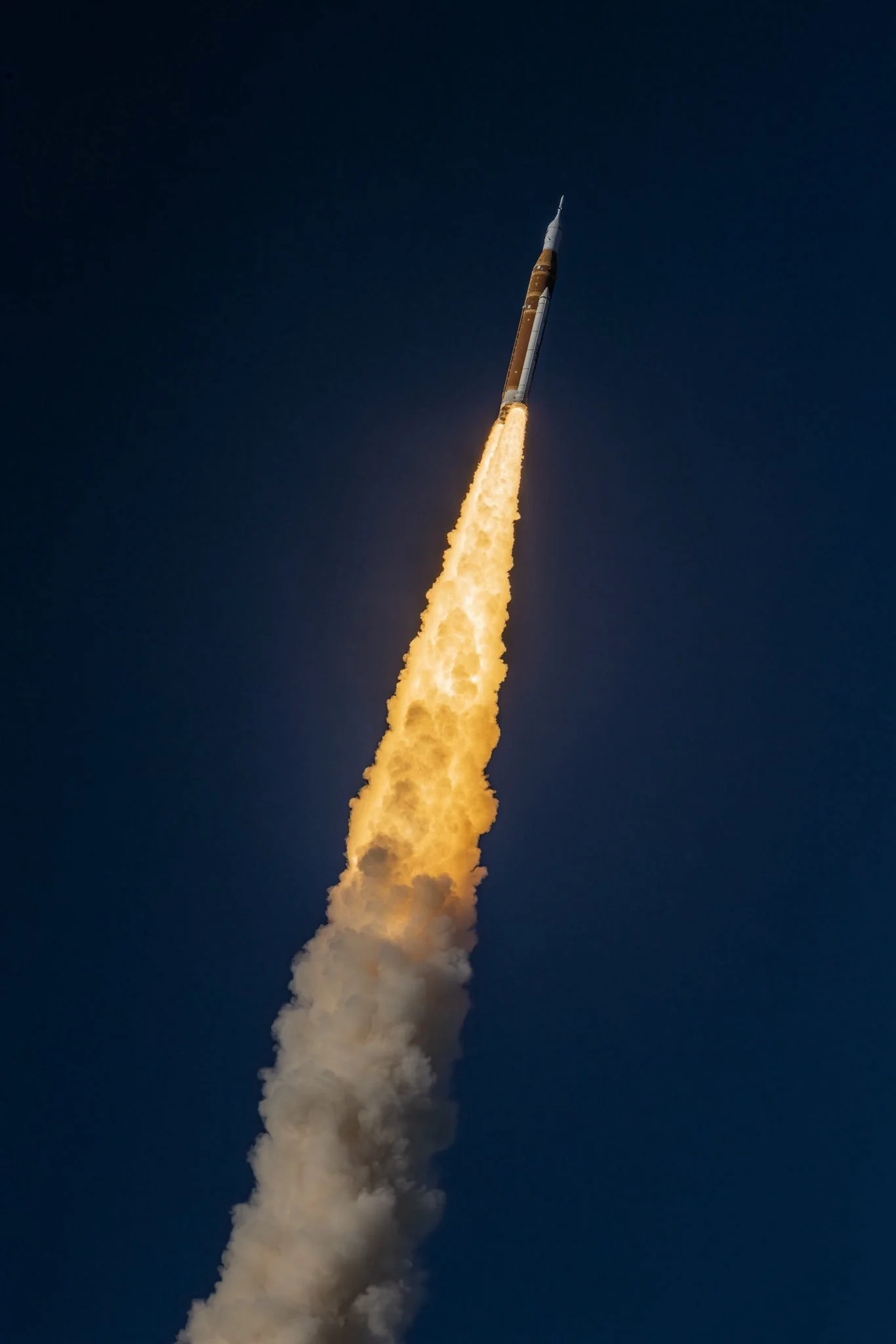
Moon/Mars, here we come!
You can watch a video of the controlled ocean landing of the ship here: https://x.com/SpaceX/status/1978905901344907726, and read more about the details of the test flight here: https://spacenews.com/starship-successfully-completes-11th-flight-test/
Photo by John Kraus: https://x.com/johnkrausphotos/status/1977883695651467447
*Okay, the ship DID ultimately blow up when it fell over into the ocean (after executing a perfect landing maneuver and hover), but that happens every time and is totally expected, so it doesn’t count. Soon, the MechaZilla chopsticks will be catching the ship, enabling reusability.
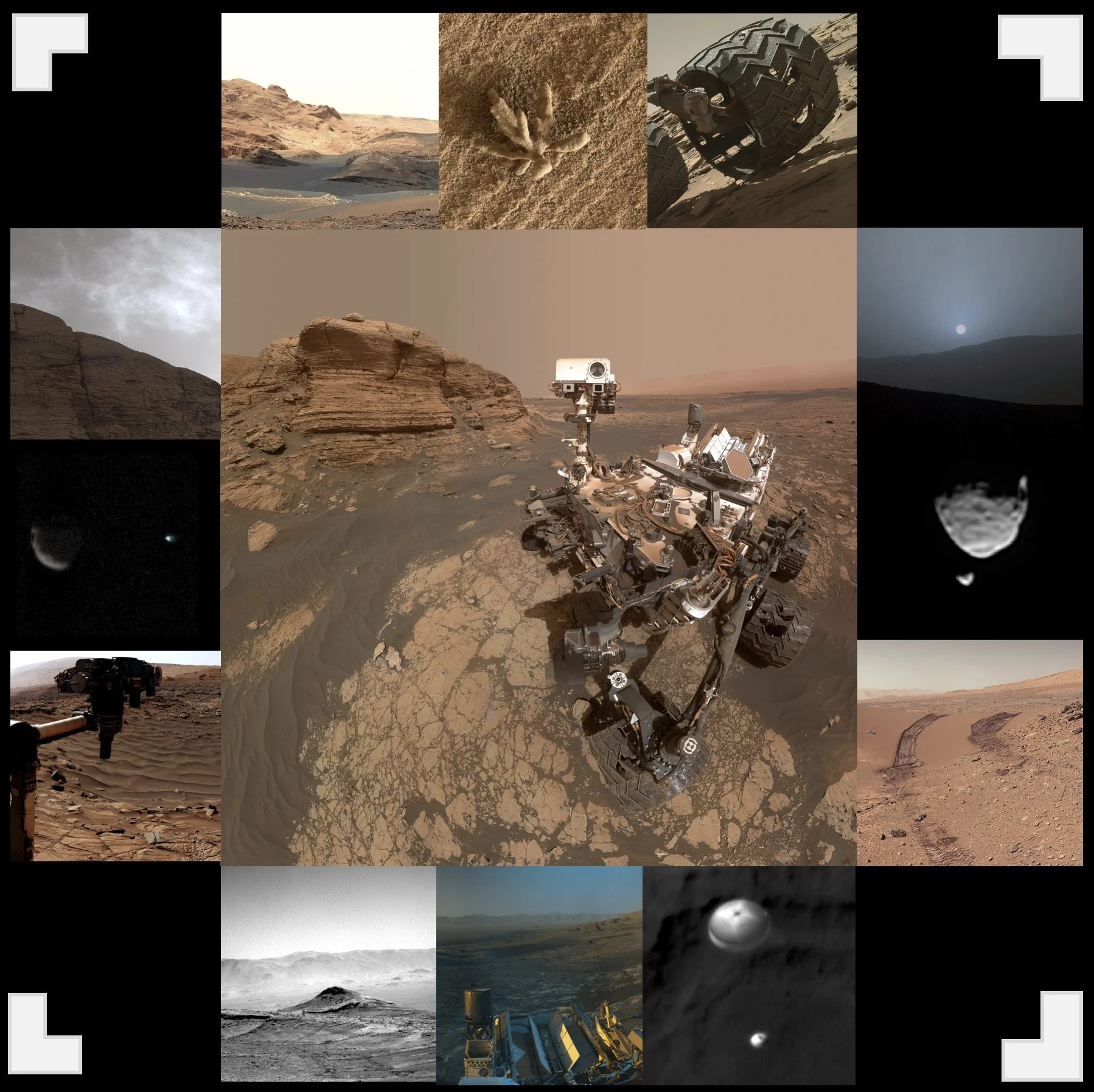
Happy 13th Anniversary, Curiosity!
13 years ago this week, Curiosity landed on Mars and began an incredible journey of exploration that is still going strong. NASA put together a collage of 13 of Curiosity’s most memorable images so far.
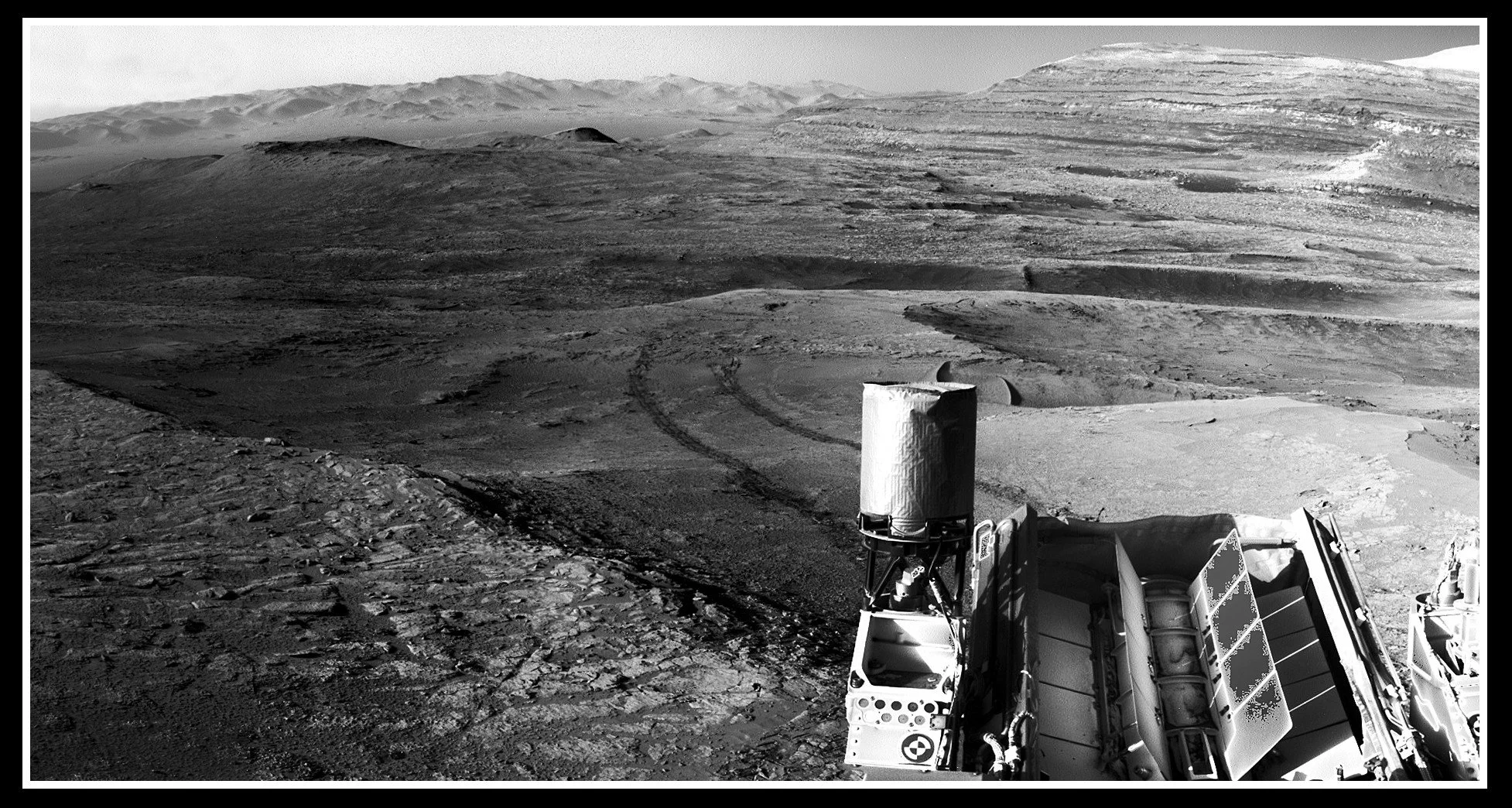
The Slopes of Mt. Sharp
Incredible new image from Curiosity this week, taken from the slopes of Mt Sharp, looking over her shoulder at the floor, and distant rim, of Gale Crater.
Credits: NASA/JPL-Caltech/S Atkinson. Source
Star Trails
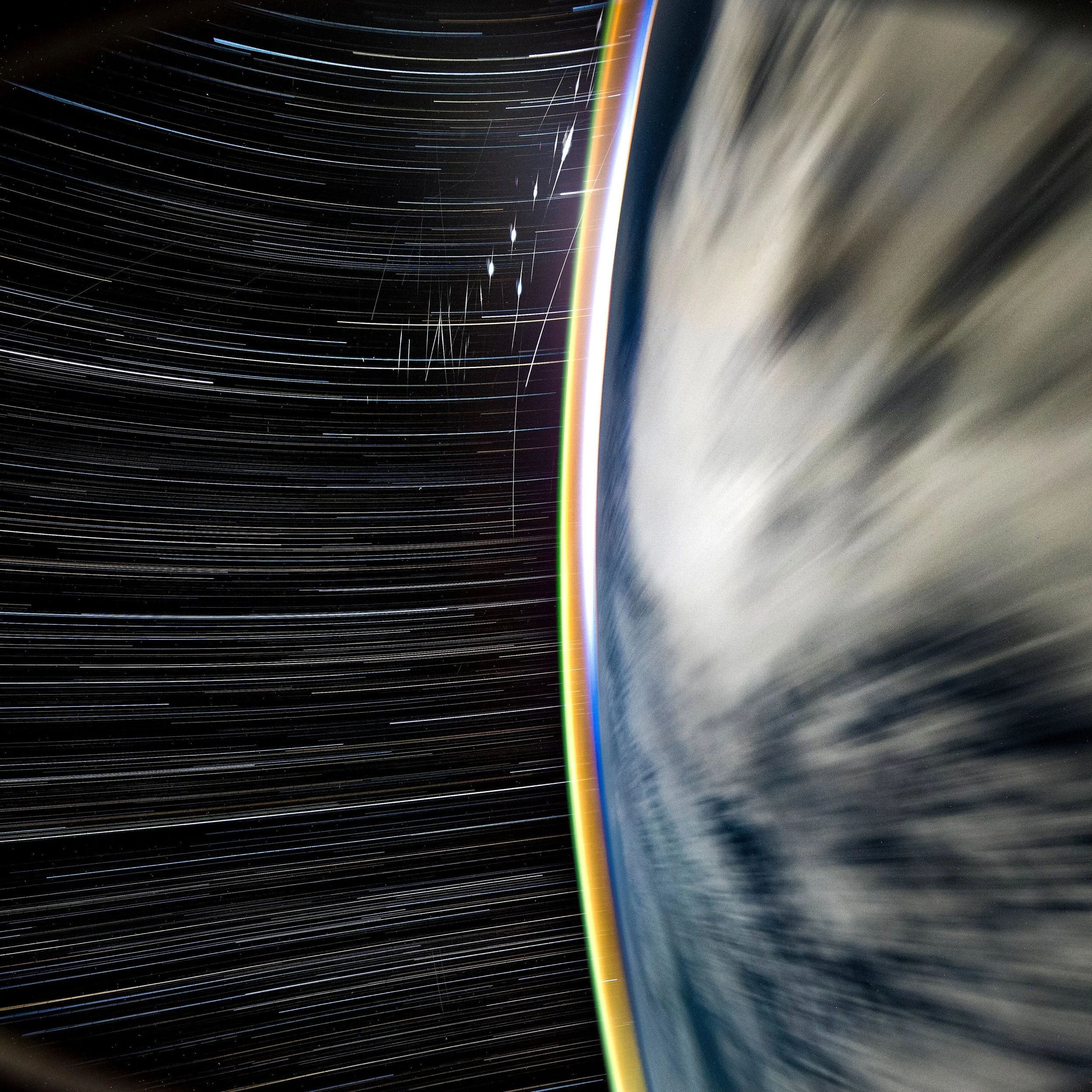
Astronaut Don Petit is back on Earth now, but while he was on the ISS, he took thousands of incredible pictures and videos from orbit, and many of them are only now being catalogued and shared. Visit his X feed regularly to see a constant stream of beautiful images.
In his words: “High resolution star trail from the SpaceX Crew 9 Dragon, marked by a fleet of flashing Starlink satellites, glowing atmosphere, soon to rise sun, and arcing stars. Captured over the Pacific Ocean with Nikon Z9, Sigma 14mm f1.4 lens, effective 24 minute exposure compiled from individual 30 second frames, f1.4, ISO 1600.”
Destination Mars
On Thursday, Elon Musk shared SpaceX's plans for Mars over the next 8 years (and a permanent moon base, since it's on the way ) - and beyond, to make humanity a multiplanetary species.
It is ambitious, perhaps even audacious. But the suite of technologies Elon has built are, it turns out, all positioned to make this a reality. Rockets, robots, autonomous and hardy vehicles, tunnel diggers, a space-based communications system, battery packs, cutting-edge astronaut suits...it's almost like he had a plan all along.
There will be challenges and setbacks along the way, but I am so here for this.
- First Starship to Mars planned for 2026
- Enlarging future generations of Starship
- Mars settlement in 2030s
- Robotic + human labor used
- Moon Base in planning
- 100s of Mars landings
Here’s the link to the entire presentation, if you'd like to watch it: https://x.com/SpaceX/status/1928185351933239641
A Mars Mood
I am obsessed with this grainy image snapped by Percy on Mars. It’s quiet and contemplative, haunting and lonely, yet stirring to life the string that tugs at your soul and whispers of your connection to a vast cosmos.
From the Perseverance X account: “That bright "star" is actually Mars' moon Deimos. In the hours before dawn, I snapped this long-exposure image with my left Navcam and caught Deimos as well as two stars from the constellation Leo in the sky. It's definitely a mood, as they say.”
Original post here.
Jupiter's Limb
What a remarkably clear, crisp image by JunoCam. It was taken on Jan. 28th, during its 69th flyby of Jupiter. Cassini will always (probably) be my favorite, but Juno has delivered some truly incredible images.
You can download it in high resolution here.
Happy 35th Birthday to Hubble
I feel so grateful to have grown up during the Hubble Era. I might not be the lover of space I am (or even a scifi writer)* if not for the inspiration Hubble's images provided over the years.
*Okay, I'd probably be both no matter what. But the images have still been amazing!
And on that note, to celebrate the 35th anniversary of Hubble’s launch, NASA has released 4 stunning new images. You can read more about Hubble’s mission and the new images here: https://science.nasa.gov/missions/hubble/nasa-celebrates-hubbles-35th-year-in-orbit/
Blue Ghost's Farewell Message
On March 16, Firefly Aerospace’s Blue Ghost lunar lander completed its mission as lunar night arrived. It was a spectacular success in every sense and marks a new era for commercial space missions.
As the craft shut down, it sent one final message home.
Don't worry, Blue Ghost. You'll have plenty of friends - human and robotic - to keep you company soon.
SPHEREx
What a hauntingly beautiful shot of NASA’s SPHEREx craft and Earth shortly after deployment. SPHEREx will study the origins and evolution of the universe, map the galaxies in our sky, and search for life's essential ingredients within our galaxy. I can't wait to see what we learn from it.
Athena Mission
That’s one heck of a selfie, Athena!
This image is from the Intuitive Machines Nova-C “Athena” lunar craft, which is currently headed toward the moon for a scheduled March 6 landing.*
* Wholly incidentially, with a digital recording of three of my short stories, Venatoris, Re/Genesis and Chrysalis, on board (along with hundreds of other stories, novels and art). I am super excited!
Scale
The arms that grabbed the Starship rocket booster out of midair, with people on top, for scale. You know, in case you were wondering…. O.O
Europa Clipper is on its way
It's a busy week for space enthusiasts (have you spotted Comet Tsuchinshan-ATLAS?). The long-anticipated Europa Clipper mission is officially underway. The craft launched Monday morning on a Falcon Heavy rocket, bound for that most beguiling of icy Jupiter moons, Europa. It will arrive at its destination in 2030 (!?! We seriously need faster spacecraft engines pronto - or engines that use much less fuel, thus are able to take more fuel and travel faster....)
Once there, Europa Clipper will hunt for organic chemicals on the icy surface, as well as other signs of a habitable environment and evidence for the ingredients of life. It will also characterize Europa's ice shell in detail. This work could identify good spots at which a life-hunting lander could touch down and operate - BUT IT WILL ATTEMPT NO LANDING THERE.
...not yet.
Starship and the Future of Rapidly Reusable Rockets
In an absolutely incredible feat of engineering, SpaceX has caught Starship's Super Heavy booster in the Mechazilla arms on the first try! What a sight.
After a succesful launch and orbit, Starship itself completed a planned soft splashdown in the Indian Ocean as well. All in all, a hugely successful 5th test flight of Starship.
One day soon, this will all be routine. Like we do now with the hundreds of Falcon 9 launches and booster landings, we'll go, "Oh, did Starship launch again today? Another moon trip, maybe?" And I look forward to that day.
But for now, WOW.